Influencer marketing is now one of the most common methods brands use. The industry has grown significantly in 2025, and that’s proof of its impact.
As the industry grows, the number of influencers grows too. That’s when choosing between micro vs. macro influencers becomes a question.
We know brands are leaning more toward micro influencers, but larger creators are still popular choices. What’s the main difference between a micro and macro influencer? Which Influencer marketing strategy is right for your business? We’ve dived deep into it. Let’s get started!
What Are the 4 Types of Influencers?
There are four main types you should know about. These categories are based on how many followers someone has and the kind of reach they can bring to your brand:
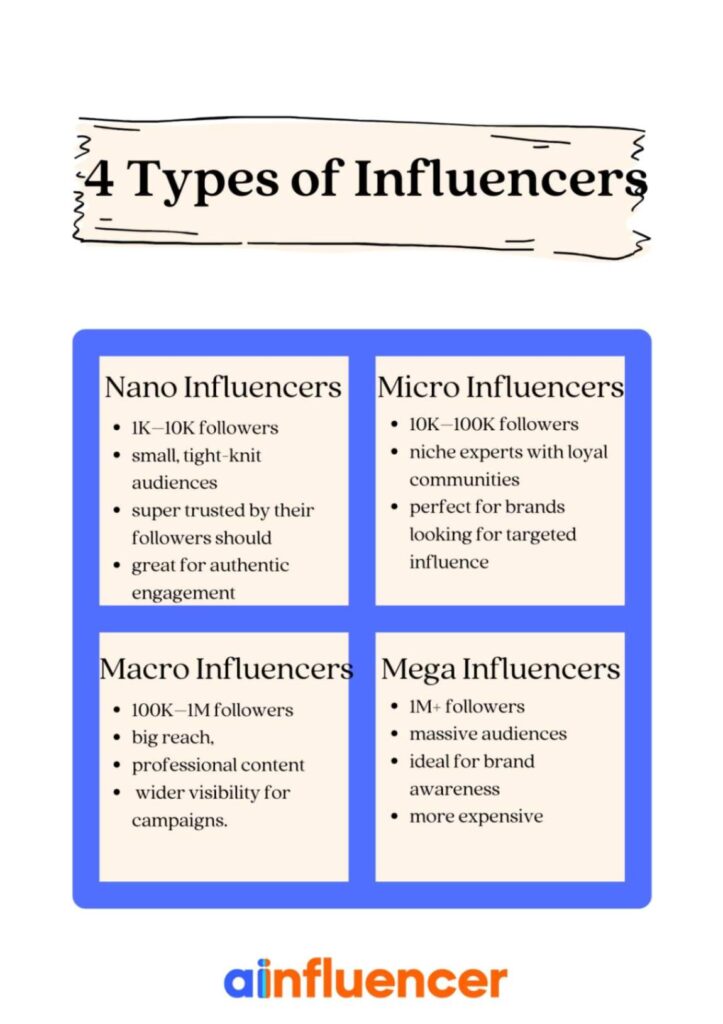
- Nano influencers (1K–10K followers): Nano influencers are the smallest type of influencers with fewer than 10K followers. They have small, tight-knit audiences and are super trusted by their followers. Nano influencers are great for authentic engagement.
- Micro influencers (10K–100K followers): Micro influencers are niche experts with loyal communities. They are perfect for brands looking for targeted influence.
- Macro influencers (100K–1M followers): Macro influencers offer big reach, professional content, and wider visibility for campaigns.
- Mega/celebrity influencers (1M+ followers): Finally, we have mega influencers with massive audiences. They are ideal for brand awareness, but usually more expensive.
Micro Vs. Macro-Influencers: What’s the Difference?
When it comes to influencer marketing, not all influencers are the same. Micro and macro influencers each bring unique strengths, audiences, and opportunities for your brand.
Understanding the differences between them can help you decide which type of influencer will best achieve your marketing goals.
| Feature | Micro Influencers | Macro Influencers |
| Follower count | 10K-100K | 100K-1million |
| Engagement | Higher (5%-20%) | Lower (1%-3%) |
| Content Style | More casual & personal. Feels like advice from a friend. | Polished & professional. Feels like creator-level content. |
| Audience Type | Niche, interest-based communities | Broad audiences across different interests |
| Cost | Lower ($100-$500 per post) | Higher ($5,000-$10,000 per post) |
| Best For | Product seeding, reviews, UGC, ambassador programs, niche markets | Product launches, brand awareness campaigns, big seasonal pushes |
| Conversion Potential | Strong, their followers act on recommendations | Good for awareness, not always for driving sales quickly |
| Flexibility & Risk | Easier to work with, lower risk, often open to creative collaboration | More costly, sometimes stricter contracts; bigger risk if campaign fails |
| Reach | Smaller (more meaningful interactions) | Larger |
| Trust Level | Very high | Moderate |
Micro Vs. Macro-Influencers
Who Is a Micro Influencer?
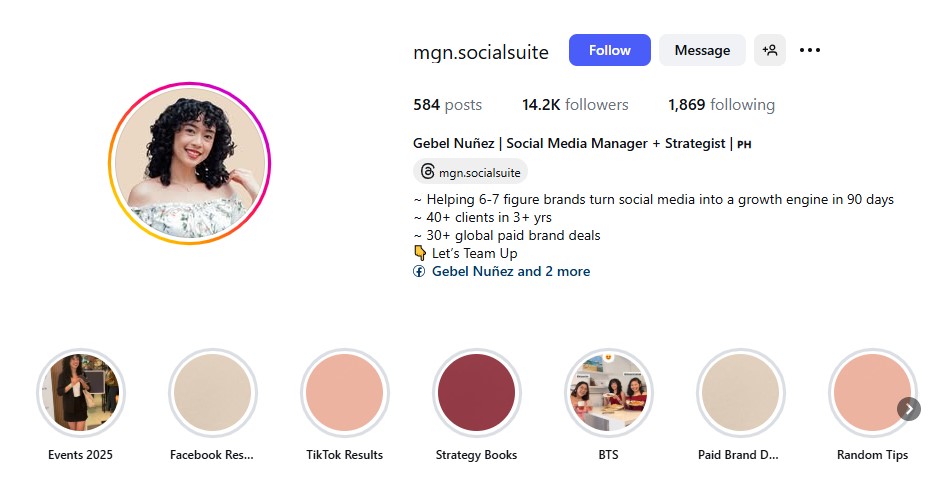
A micro influencer is a creator with 10K to 100K followers. They have smaller but more loyal followers. While micro influencers don’t have the wide reach of larger influencers, they are experts in specific niches or industries, such as eco-friendly fashion, vegan foods, etc.
That brings them higher engagement rates. Micro influencers are also affordable for most brands, making them the best options for product seedings, reviews, UGC campaigns, brand ambassador programs, and niche markets.
Micro influencer marketing is one of the most popular trends in 2025. According to studies, 81% of brands said that content from micro-influencers met or exceeded their expectations.
Who Are Macro Influencers?
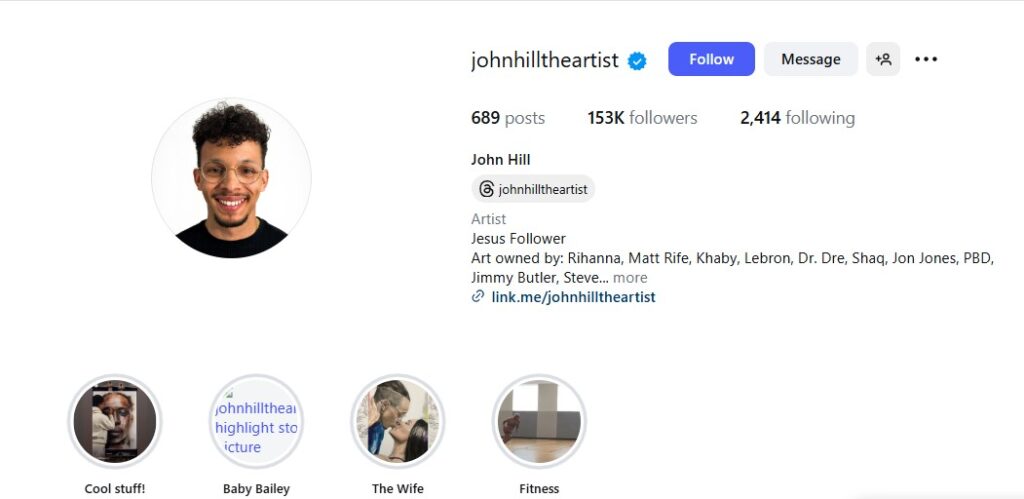
Macro influencers usually have more followers than micro influencers (100K-1M). They are often public figures or celebrities with generally lower engagement. In fact, a larger audience means fewer potential interactions per follower.
Macro influencers have higher influencer rates, reach, and impressions. That makes them perfect for brands with bigger budgets that want to run product launches, brand awareness campaigns, and big seasonal pushes. Studies suggest that a macro campaign can generate millions of impressions in a single post or series.
Micro Influencers Vs. Macro Influencers: Pros and Cons
Both micro and macro influencers can help your brand, but in different ways. Let’s look at the main advantages and drawbacks of each so you know which fits your goals best.
Pros of Working with Micro Influencers
As we already mentioned, micro influencer programs create higher engagement rates due to niche audiences. Here are 6 benefits of working with micro influencers:
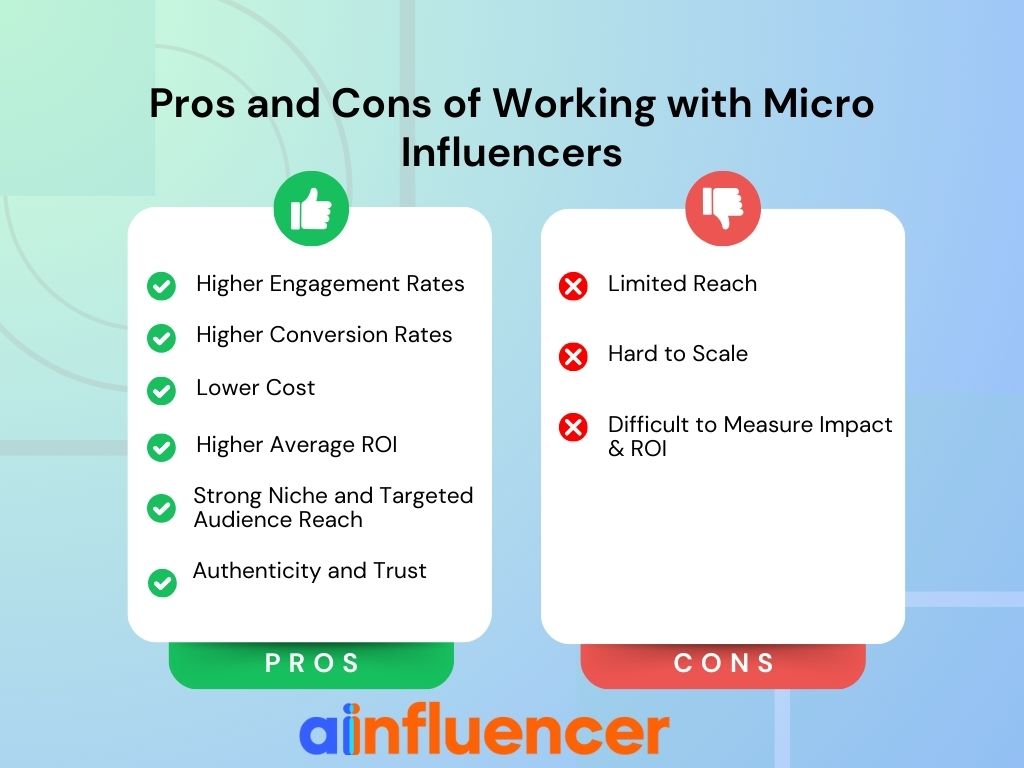
1. Higher Engagement Rates
The first advantage of partnering with micro influencers is higher engagement rates. They have more engaged followers who tend to generate meaningful interactions.
This means more likes, comments, shares, and saves. It helps your content reach more people organically and signals real interest rather than passive scrolling.
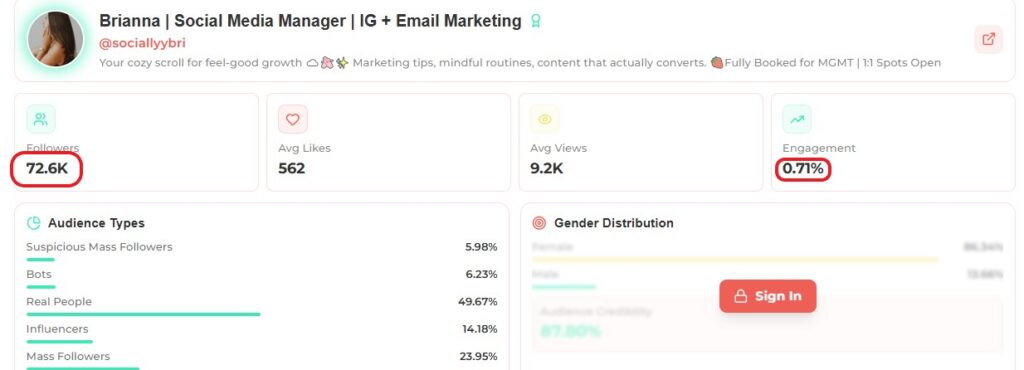
A recent study showed micro‑influencers generate 2.4× to 6.7× more engagement per post compared to bigger influencers.
2. Higher Conversion Rates
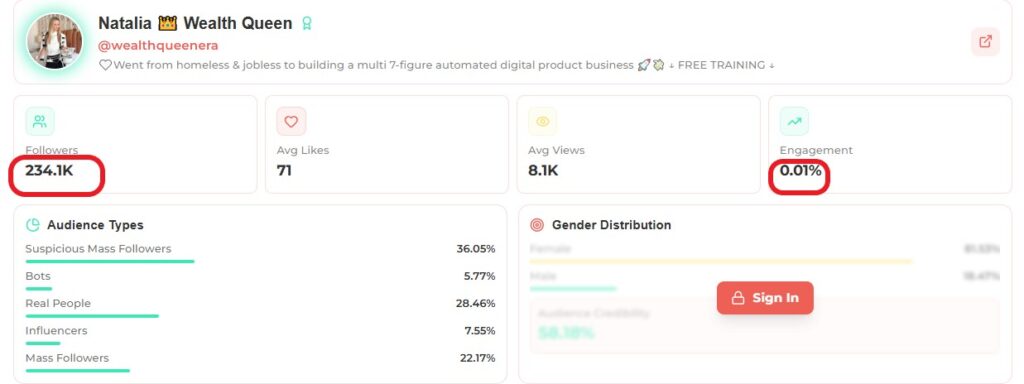
Micro influencers also generate higher conversion rates than bigger influencers. For example, brands working with micro‑influencers saw about 20% higher conversion rates compared to campaigns with macro‑influencers.
Because micro‑influencers have smaller, more connected audiences who often trust their recommendations, their followers are more likely to act. This might be buying a product, signing up for a newsletter, or using a promo code.
As we all know, more conversions per follower drive better value. For many small or niche‑focused brands, this can deliver real results even without reaching millions.
3. Lower Cost
Collaborating with micro influencers is much cheaper than working with big influencers or celebrities.
This allows small or medium brands with limited budgets to afford multiple partnerships or ongoing collaborations. Besides, lower cost lowers risk. You can test campaigns, experiment with different messages, and scale slowly without a huge upfront investment
Studies suggest that micro‑influencers on Instagram tend to charge around $100–$500 per post, while macro‑influencers charge between $5,000 and $10,000.
4. Higher Average ROI
To deliver stronger influencer marketing ROI, micro influencers are the best choice. Their campaigns cost less while driving higher engagement and conversions. And for many brands, ROI (not just reach) is what counts.
According to the Journal of Marketing & Social Research, micro influencers produce an overall ROI of about 184% (compared to almost 129% for macro influencers).
5. Strong Niche and Targeted Audience Reach
Micro‑influencers often build communities around specific interests, like eco-friendly fashion, niche gaming, vegan cooking, sustainable travel, or specialized hobbies.
That makes their audience more relevant if your brand fits that niche. Researches even support this: when you target niche audiences via micro‑influencers, your message reaches people who actually care. This increases the chance of engagement or conversion.
6. Authenticity and Trust
Did you know that consumers perceive micro‑influencers as more relatable and trustworthy compared to macro‑influencers?
Micro‑influencers often maintain personal relationships with their followers. They reply to comments, engage in DMs, and post “real” content. Moreover, their endorsements feel more like advice from a friend rather than a paid ad.
When people believe in the authenticity of the recommendation, they’re more likely to act (buy the product, share with friends, or follow brand advice).
Cons of Working with Micro Influencers
While micro-influencers offer many benefits, they’re not the right fit for every goal. Here are some of their drawbacks:
1. Limited Reach
Since micro-influencers only have a few thousand to maybe 100,000 followers, their posts simply can’t reach as many people as macro or celebrity accounts.
So, if your goal is mass awareness, for example, launching a brand-wide campaign or reaching a wide demographic, this type is not ideal.
2. Hard to Scale
To reach a broad audience, you often need to engage many micro-influencers, and that takes more effort: outreach, contracts, briefings, coordination, and monitoring.
In fact, when you work with lots of small creators, things can get messy. Everyone has their own style, quality level, and way of talking to their audience. This makes it harder to keep your branding consistent.
3. Difficult to Measure Impact & ROI
With many micro-influencers, tracking which posts or creators drive real value is hard. You spread work across dozens of small accounts, which makes the attribution complicated.
You might see good engagement on the posts, but it’s not always clear if those likes and comments are turning into real sales or sign-ups.
Pros of Working with Macro Influencers
If you’re a brand that needs big visibility fast, working with macro influencers is a smart choice. Here are all the benefits of running macro influencer programs:
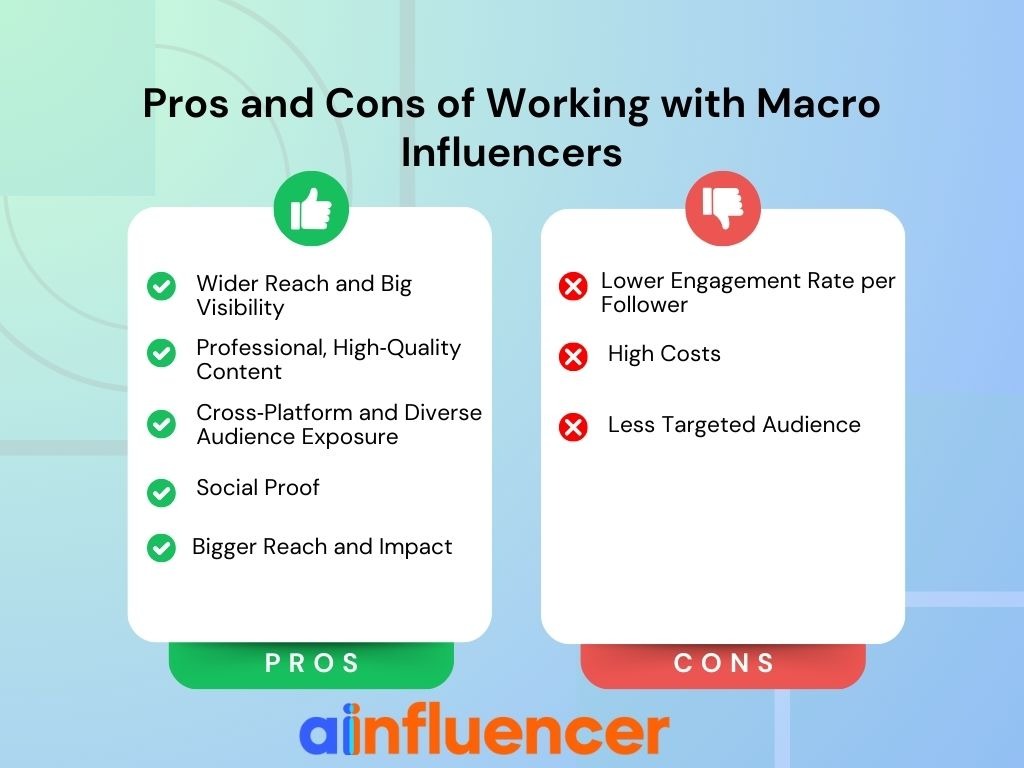
1. Wider Reach and Big Visibility
First and foremost, macro influencers have more followers. So, a single post can put your brand in front of a huge audience almost instantly.
This makes them ideal if your goal is brand awareness, large‑scale exposure, or launching a new product. We are talking about that “splash” effect, which is hard to achieve with smaller creators.
2. Professional, High‑Quality Content
Another good thing about macro influencers is that they work like mini media brands. For instance, they have talent agents who can invest in good equipment, editing, and overall high‑production quality.
That gives your campaign a polished, commercial-grade feel. As you know, high-quality content tends to be more shareable and can reflect well on your brand’s image.

3. Cross‑Platform and Diverse Audience Exposure
Influencers with larger audiences often have followers on multiple platforms (Instagram, YouTube, TikTok, etc.). As a result, one collaboration can extend your reach beyond a single channel.
Additionally, macro influencers have a more diverse audience (in age, location, and interests). This helps if you’re targeting a broad market or launching a campaign across regions.
4. Social Proof
A recommendation from a well-known macro influencer can boost your brand’s credibility. When a trusted “big name” endorses you, it can feel like a stamp of approval to many people.
Beyond that, their posts can reach thousands or millions. That’s why this kind of endorsement can create social buzz, get media attention, and spread naturally online, not just a one-time boost.
5. Bigger Reach and Impact
Having a larger audience is another advantage of macro influencers. So, if you launch a new product or a big campaign, they can offer the scale you need to make a huge impact quickly.
That also makes them useful for brands entering new markets, releasing new collections, or running seasonal campaigns.
Cons of Working with Macro Influencers
If you’re considering a macro influencer for your next campaign, it’s worth understanding the downsides first.
1. Lower Engagement Rate per Follower
This is the biggest disadvantage of partnering with larger influencers. They have more followers, which means lower engagement because big audiences just don’t interact the same way smaller communities do.
Remember, engagement is different from reach. While a post might reach many people, fewer of them may engage meaningfully (comments, shares, clicks). This can hurt conversion rate or overall campaign impact.
2. High Costs
Macro-influencers usually charge a lot more than micro or nano creators ($5,000-$10,000), so one post can take up a big part of your budget.
That means you’re taking a bigger risk if the campaign doesn’t perform as well as you hoped. Moreover, macro influencers’ posts usually create lower engagement. You just pay much for a big reach without getting high engagement.
3. Less Targeted Audience
We mentioned having a diverse audience as one of the benefits of macro influencers. However, that can negatively affect your campaign if your brand serves a specific niche or market.
Imagine you’re a niche supplement brand that wants to work with a lifestyle macro influencer with over 700K followers. The influencer has a broad audience (travel, beauty, and everyday content).
This means most people don’t care about wellness products. The post may get views, but it won’t receive clicks or conversions.
Instead, you should collaborate with a fitness micro influencer whose followers actually need supplement advice.
4. Lower Conversion
Many marketers say that macro-influencer campaigns don’t perform well when the goal is conversion, engagement, or trust, compared with micro-influencers. This is especially for niche or targeted campaigns.
If you want actual sales, sign-ups, and engagements, not just visibility, a macro influencer may not deliver the best ROI.
Micro Influencers Vs. Macro Influencers: Which One Is Right For You?
We can’t ignore macro-influencers just because their engagement or conversion rates are sometimes lower.
At the same time, micro-influencers aren’t always the perfect fit either. The smartest approach is a hybrid strategy that balances your campaign goals, target audience, and budget.
When Use Micro Influencers for Your Brand?
In these situations, partnering with a smaller influencer can deliver better results.
- You want engagement, trust, or conversions over reach: Micro‑influencers tend to have tighter communities that trust them. Work with them if you’re looking for real actions (sales, sign‑ups, niche‑audience interest).
- Your brand or product is niche or specialized. If you’re offering something specific, like vegan beauty, niche fitness gear, or specialty services, micro influencers help you reach a relevant, interested audience.
- Your budget is limited. Micro‑influencer collaborations tend to cost far less than macro ones. That means you can work with multiple creators, test different messages, or run longer campaigns without overspending.
- You value authenticity and long-term partnerships. Smaller creators often deliver more genuine content and maintain direct relationships with their followers. That’s why many top brands choose their brand ambassadors out of micro influencers.
When Use Macro Influencers for Your Brand?
Here are the best times to collaborate with macro-influencers:
- Your goal is wide reach or brand awareness: macro‑influencers have many followers. One post can expose your brand to thousands or hundreds of thousands of people at once.
- You launch a new product or want broad market exposure: if you’re introducing a new product or trying to reach lots of different people, working with a macro‑influencer can get your brand in front of a large audience quickly.
- You need high-quality content and professional-level production: many macro creators have experience, better resources (photography, video editing, storytelling), which can make your campaign look polished and premium.
- You want to target a broad demographic or a mass market: last but not least, if your product or brand appeals to many kinds of people across ages, interests, and geographies, macro‑influencers increase the chance to hit more segments efficiently.
Final Thoughts
Many well-known brands work with smaller influencers because of their higher engagement and better conversion rates. Micro influencers are also cheaper than macro influencers, which often leads to a better ROI. In short, they’re a smarter choice to drive sales, sign-ups, and engagement.
On the other hand, larger influencers usually offer greater reach and visibility. If you’re launching a new product and want a lot of people to see it, it’s better to work with macro influencers. In the end, what matters most is your goal and budget. Sometimes, you can even use both at once.
FAQs
1. Do Micro or Macro Influencers Yield Higher ROI?
Yes, micro influencers usually deliver a higher ROI because they charge less, target niche audiences, and drive more authentic engagement, which often leads to better conversions.
2. Do Micro Influencers Have Higher Engagement Than Macro Influencers?
Yes. Micro influencers tend to have smaller, more dedicated audiences who interact more with their content. This creates higher likes, comments, and shares per follower.
3. When Are Micro Influencers a Better Choice Than Macro Influencers?
Micro influencers are ideal when you want authentic engagement, target a specific niche, have a limited budget, or need conversions rather than just broad reach.