Imagine investing in influencer campaigns that damage your brand instead of growing it. Vetting influencers is no longer optional; it is essential for protecting your reputation and ensuring real marketing impact.
As brands juggle multiple creator partnerships, fake influencers and inflated engagement have become serious risks that can quietly waste your budget. Influencer content can outperform brand-owned content when done right, but without a structured vetting process, campaigns can lead to negative publicity and poor returns.
This guide breaks down exactly how to vet influencers step by step, along with the tools that help you Find Influencers and avoid costly mistakes.
How To Vet an Influencer in 5 Simple Steps
Creating a structured approach to vetting influencers saves time and prevents costly mistakes. Following these five steps ensures you identify authentic partners who truly align with your brand objectives.
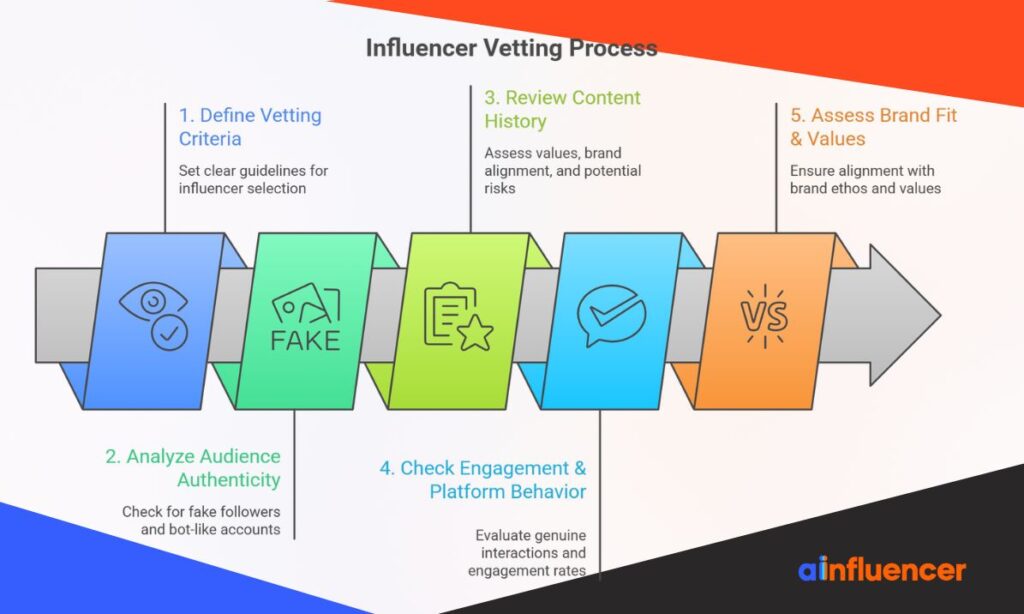
Step 1: Define Your Vetting Criteria
Setting clear guidelines before you begin searching for influencers creates a strong foundation for your vetting process. Start by determining exactly what qualifies as a good fit for your specific campaign. Your vetting criteria should include:
- Target engagement rate benchmarks for your industry.
- Desired audience demographics and location.
- Content style that complements your brand voice.
- Follower count range appropriate for your goals.
Additionally, if you need geographically targeted creators, use a tool to find local influencers who match your campaign’s city or region.
Step 2: Analyze Audience Authenticity
Real influence depends on real followers. Look for an unusually low engagement-to-follower ratio as a warning sign of fake followers. To verify authenticity, check for:
- Sudden, unnatural spikes in follower count (often indicate purchased followers).
- Bot-like accounts with no photos, posts, or unusual activity patterns.
- Audience demographics that logically match the influencer’s content.
- Real follower percentage aims for above 80%.
Monitor growth anomalies with the YouTube subscriber count tool to spot suspicious follower jumps. These tools help identify inauthentic accounts that could waste your marketing budget.
Step 3: Review Content History & Tone
Examine an influencer’s past content to assess values, brand alignment, and potential risks. If your campaign relies on authentic product shots and short testimonial clips, search specifically to find UGC creators who specialise in that format.Brands can also use tools for AI reverse image search for influencer photos to check whether a creator’s photos, product shots, or portfolio visuals appear elsewhere online, helping identify reused images, duplicate content, or possible impersonation risks.
Pay attention to:
- Quality and style of visual content.
- Consistency in messaging and tone.
- Previous brand partnerships and how they were presented.
- Potentially controversial or off-brand statements.
This historical review reveals how an influencer typically presents sponsored content. Furthermore, it uncovers whether they’ve endorsed competitors or made statements that conflict with your brand image.
Step 4: Check Engagement & Platform Behavior
High-quality engagement matters more than quantity. Analyze the nature of comments on posts; meaningful conversations outweigh emoji-only responses. For Instagram campaigns where engagement benchmarks differ, quickly find influencers on Instagram to compare performance within that platform.
Truly influential creators show:
- Genuine interactions where followers ask questions and share stories.
- Consistent engagement patterns across multiple posts.
- Active responses to comments, not just passive reception.
- Healthy engagement rates (typically 1-3% on Instagram for macro-influencers, 3-6% for micro-influencers).
Calculate engagement rate by dividing total interactions (likes, comments, shares) by total followers, then multiplying by 100. This metric helps compare creators within the same tier effectively. For the full sequence of checks, see our guide on how to audit an influencer profile.
Step 5: Assess Brand Fit & Values
The final step evaluates whether an influencer truly embodies your brand’s ethos. Both functional fit and image fit positively influence consumer brand attitudes. In particular, examine:
- Content tone and voice alignment with your brand messaging.
- Visual esthetics that complement your brand image.
- Values and beliefs that match your organization’s principles.
- Audience reception to previous brand collaborations.
Authentic partnerships flourish when influencers genuinely align with your brand identity rather than just having impressive metrics. Moreover, long-term potential often outweighs short-term performance when evaluating brand fit.
By following these five steps methodically, you’ll identify influencers who not only reach your target audience but also represent your brand effectively. This structured approach to vetting influencers significantly reduces risk while maximizing your marketing investment.
Tools to Streamline Influencer Vetting
Modern influencer vetting tools eliminate guesswork and accelerate your evaluation process. These platforms help you make data-driven decisions when selecting partnerships that protect your brand reputation.
1. Ainfluencer
Ainfluencer simplifies influencer vetting by combining discovery, campaign management, and communication in a free marketplace where you can find influencers on TikTok.
A key differentiator is Ainfluencer’s built-in payment system, which protects brands throughout execution.
Features:
- Free influencer marketplace for Instagram, TikTok & YouTube.
- Influencer discovery based on intent, niche, and budget.
- Inbound creator applications to pre-qualify influencers.
- Built-in payment protection with a pay-on-approval system.
- In-app messaging, content approvals, and campaign tracking.
2. HypeAuditor
HypeAuditor stands out with AI-powered fraud detection that analyzes over 1,000 data points per influencer with 94% accuracy. This tool examines follower authenticity, engagement health, and suspicious growth patterns to flag potential risks.
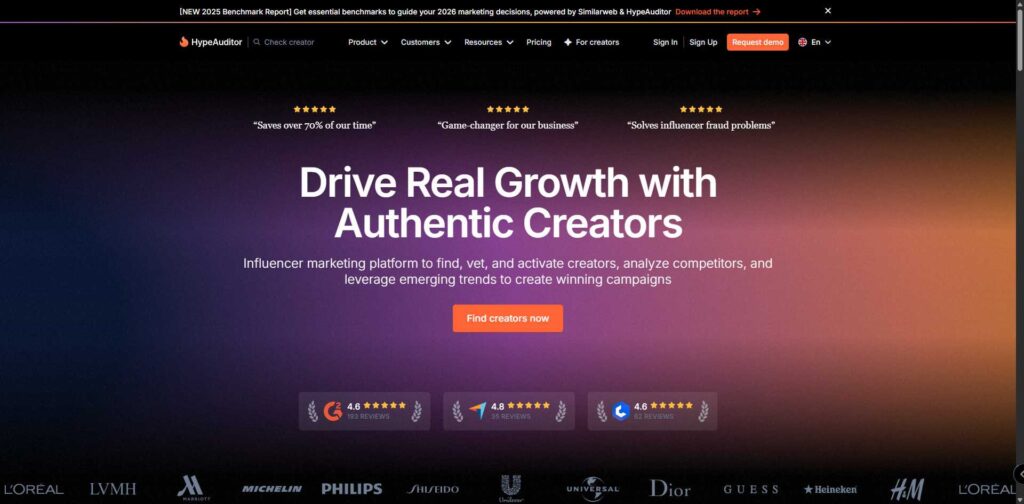
Features:
- AI-powered influencer fraud detection.
- Analysis of 1,000+ data points per creator.
- Follower authenticity and fake engagement detection.
- Suspicious growth and engagement pattern analysis.
- Accuracy rate reported at 94%.
3. CreatorIQ
CreatorIQ focuses on brand safety with AI-powered discovery and intelligent recommendations. Its comprehensive creator profiles include recent posts, key metrics, and audience analysis to ensure alignment with your brand values.
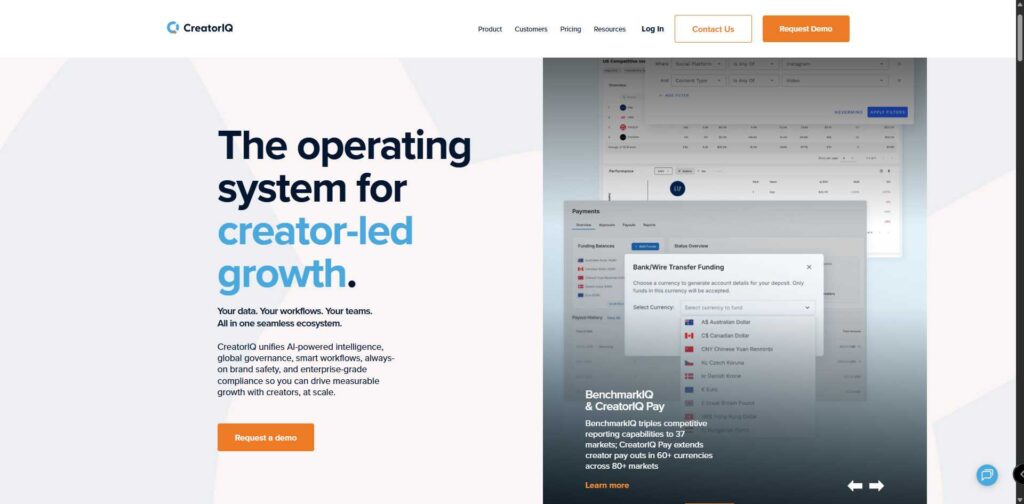
Features:
- AI-driven influencer discovery and recommendations.
- Strong focus on brand safety and compliance.
- Detailed creator profiles with recent content.
- Audience demographics and engagement insights.
- Alignment scoring for brand values and campaigns.
4. GRIN
GRIN offers a Creator Discovery Suite with access to 190+ million creators. The platform’s “Creator & Audience Lookalikes” feature helps identify influencers similar to your top performers, but you can also try the free YouTube lookalike finder to quickly surface similar creators.
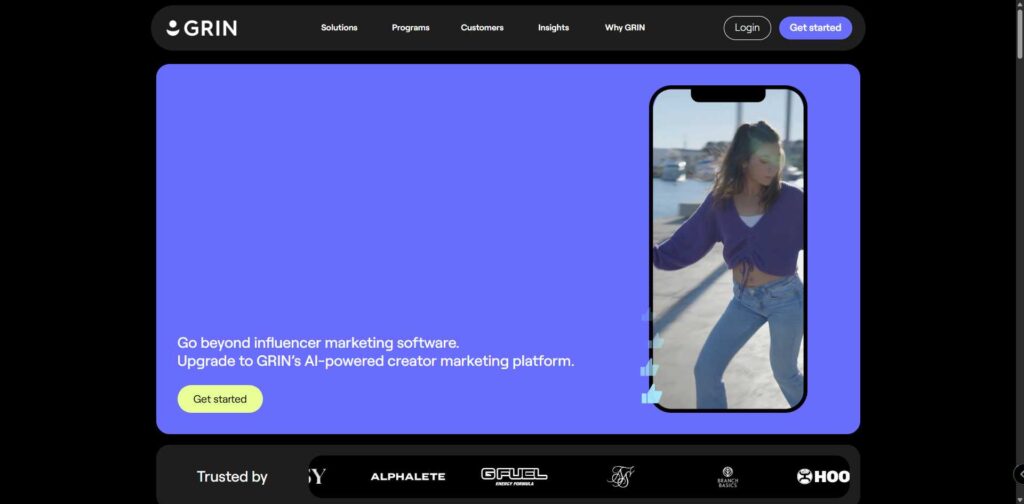
Features:
- Access to a database of 190+ million creators.
- Advanced creator discovery and filtering tools.
- Creator & Audience Lookalikes feature.
- Identification of influencers similar to top performers.
- Scalable solution for large influencer programs.
5. Traackr
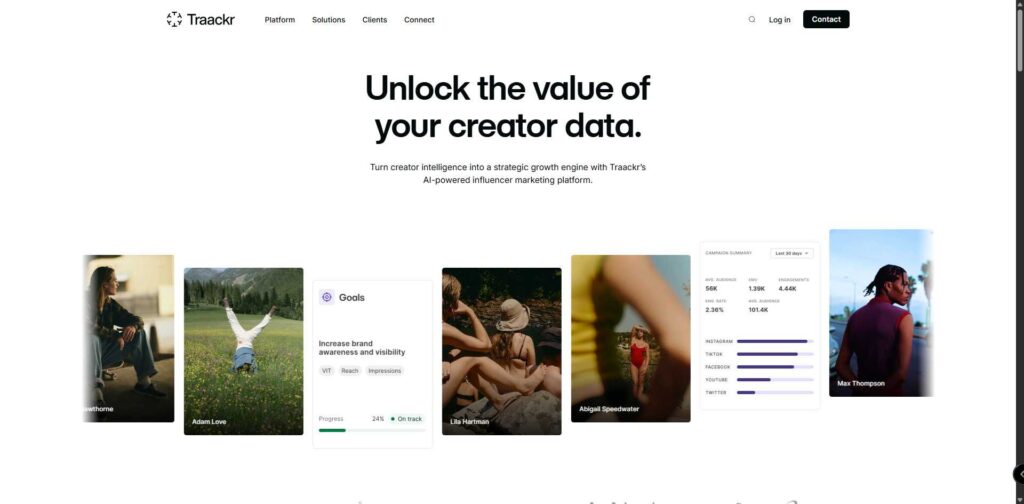
Traackr provides detailed insights into the demographics and behavior of influencers’ audiences. The platform offers in-depth profiles with over 2.5 years of content history, helping you assess quality and performance thoroughly.
Features:
- Deep audience demographic and behavior insights.
- In-depth influencer performance analytics.
- Over 2.5 years of historical content data.
- Evaluation of long-term creator quality and consistency.
- Useful for strategic and data-heavy vetting decisions.
Red Flags to Watch During The Vetting Process
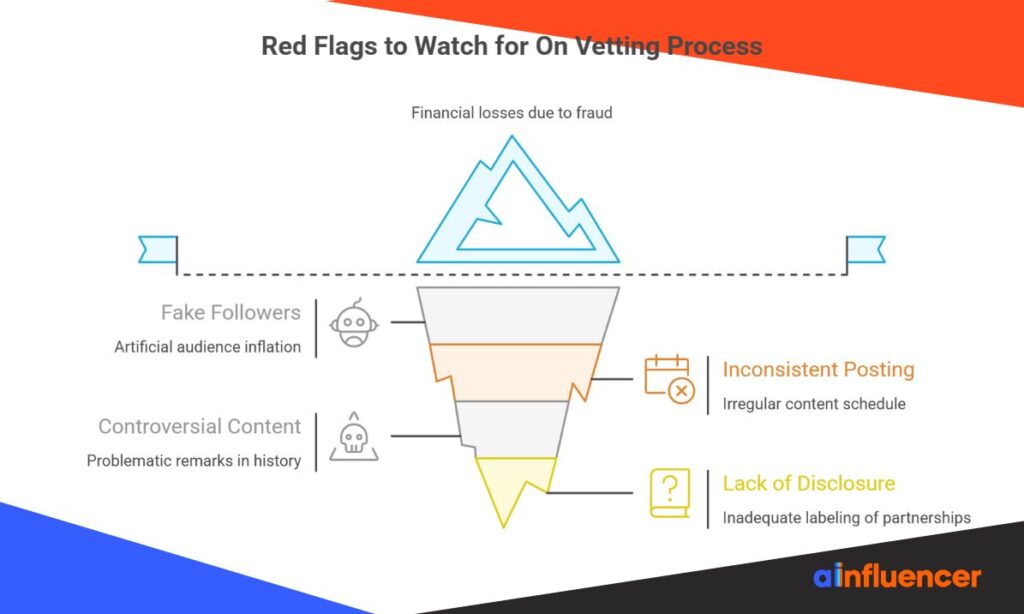
Nearly 49% of Instagram influencers have engaged in some level of fraud in their social media practices. When vetting influencers, identifying these red flags early saves your brand from wasted budgets and potential reputation damage.
Fake Followers & Engagement Pods
Fake followers cost marketers an estimated USD 1.30 billion annually in wasted influencer marketing spend. You can spot artificial audience inflation through several clear indicators:
- Suspiciously high follower counts with minimal engagement (e.g., 200K followers but only 100 likes per post).
- Bot-like followers with no photos, posts, or unusual activity patterns.
- Disproportionate followers from countries unrelated to the influencer’s content.
- Superficial engagement consisting primarily of generic comments like “Nice pic!” or simple emojis.
Engagement pods are groups where influencers agree to like and comment on each other’s content to artificially boost metrics. Unlike fake followers, these involve real users making coordinated engagements, creating perfect-looking but inauthentic metrics.
Inconsistent Posting or Sudden Spikes
Sudden jumps in follower counts without viral content to justify them often indicate purchased followers. For instance, gaining 30,000 followers in just two days is rarely organic. Authentic growth follows a gradual curve with minor fluctuations.
Another warning sign appears when influencers post irregularly or primarily for brand deals. This inconsistency suggests they’re not genuinely nurturing their audience. As you conduct influencer vetting, look for creators with steady posting schedules that demonstrate commitment to their community.
Controversial or Off-Brand Content
Thorough background checks help identify problematic content that might harm your brand. During the vetting influencers process, watch for:
- Offensive, racist, sexist, or homophobic remarks that are buried in their content history.
- Content that contradicts your brand’s mission or values. Erratic niche-hopping (e.g., promoting skincare one week and cryptocurrency the next).
Consider that brands using API-powered influencer vetting tools typically run customized brand safety modules that search for controversial posts and alignment with company values.
Lack of Disclosure in Past Partnerships
The Federal Trade Commission (FTC) requires influencers to clearly disclose paid partnerships. In fact, the FTC has issued warning letters to dozens of influencers for inadequate disclosures.
Yet a recent study found that approximately 95% of influencer posts aren’t disclosed properly. This trend puts both the influencer and your brand at legal risk.
When evaluating potential partners, examine how they’ve handled previous sponsored content. Look for clear labels like “paid partnership” or “#ad”.
Absent disclosures suggest either ignorance of regulations or deliberate attempts to mislead followers; neither quality makes for a trustworthy brand ambassador.
Final Words
Vetting influencers is a core safeguard for brand safety and campaign performance. A structured approach helps you avoid fake engagement, protect your reputation, and invest in partnerships that deliver real value.
Focus on clear goals, audience authenticity, content history, engagement quality, and brand alignment. Watch for red flags like sudden follower spikes or poor disclosure practices, and use data-driven tools to scale your evaluations.
Treat vetting as an ongoing process, not a one-time check. Continuous monitoring and reassessment ensure stronger partnerships and higher influencer marketing ROI over time.
FAQs
How long does it take to properly vet an influencer?
A full vetting process typically takes 30 minutes to 2 hours per influencer. Manual reviews take longer, while vetting tools significantly reduce time by automating audience and engagement checks.
Can micro-influencers be safer than large influencers?
Yes. Micro-influencers often have more authentic audiences and higher engagement rates, making them easier to vet and lower risk for brand safety issues.
Also, many Reddit users report better ROI and fewer fraud issues when working with smaller, niche creators.
Is influencer vetting a one-time process?
No. Vetting should be ongoing throughout the partnership. Audience quality, content tone, and behavior can change over time. Brands on Reddit commonly advise re-checking influencers before renewals or new campaigns.