
Amazon affiliate automation means that instead of manually hunting for products, grabbing links, and posting them everywhere, you build a system that does the boring stuff while you focus on strategy, traffic, and cash flow.
Finding the right influencer who can bring in more customers and sell for you as an affiliate can be a hard task, which we want to make easier for you.
In this article, we go through all the details and techniques you need to know to implement Amazon affiliate automation at its best. So, let’s start.
What is Amazon Affiliate Automation
Amazon affiliate automation means using tools, workflows, and bots to handle repetitive tasks in the Amazon Associates ecosystem. It borrows a lot of ideas from e‑commerce automation, like inventory, pricing, and reporting, but applies them to link generation, content distribution, and promotion instead of physical aspects.
Typical automation includes:
- Locating or updating product attributes like discounts, availability, and price.
- Creating affiliate links using tracking tags or your Associate ID.
- Publishing content as social media postings, posts, or website content.
- Notifying audiences about price drops and deals by email, social media, Telegram, etc.
The objective is straightforward: you need a system that maintains your posts’ regularity, your links’ freshness, and your commissions’ compounding.
What Are The Benefits of Amazon Affiliate Automation?
Have you ever tried to find nano influencers to collaborate with and turn them into affiliates? Automation solves three big problems in affiliate marketing: time, accuracy, and scale.
1. Time
Manual affiliate marketing looks like this:
- Searching Amazon for a product.
- Copy the URL.
- Open the Associates dashboard or plugin.
- Generate a link.
- Shorten the link.
- Paste into blog, email, social post, or Telegram channel.
Now imagine doing that 50–100 times a day across multiple platforms. Automation solves this problem completely. A workflow takes care of everything after you specify rules once. Automation and AI tools reduce manual work by 80% and improve campaign performance by 45–60%.
2. Accuracy
There are lots of things that must be tracked that affect your sales, such as price changes, products going out of stock, and sellers pulling listings. With Amazon affiliate marketing automation, you can:
- Check product availability automatically.
- Swap out unavailable items for alternatives.
- Keep the price text and product details in sync with the latest data.
That means fewer complaints, fewer refunds, and a much more trustworthy site or channel.
3. Scale
There’s a limit on how many posts you can write, emails you can send, and deals you can share manually. Automation lets you:
- Manage multiple niches or languages.
- Post across different platforms from a single workflow.
- Run 24/7 deal feeds that react to real‑time price changes.
These are some of the differences that Amazon affiliate automation will bring to the table. So, the next time you are trying to find influencers on TikTok or other platforms, remember you have a better option at hand.
Core Building Blocks of Amazon Affiliate Automation
Here are some of the basics you need to know about Amazon affiliate automation or have, before starting to implement it in your workflow:
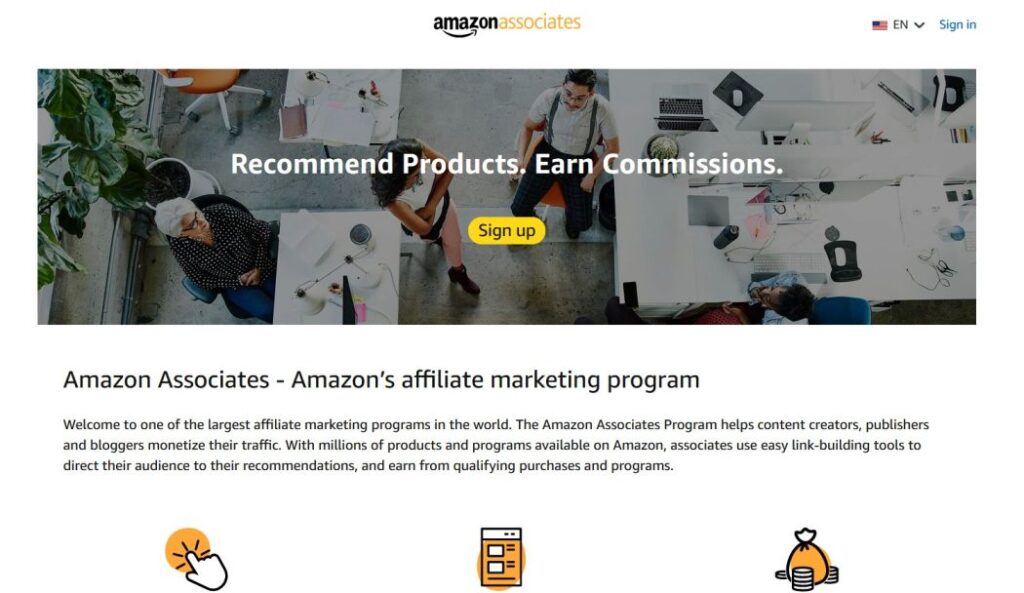
1. Amazon Affiliate Program
The Amazon Affiliate program (Amazon Associates) is where it all begins.
You need:
- A validated associate’s account.
- If you’re interested in detailed data, you may track IDs for various sites and channels.
- Once you fulfill the sales requirements, you should ideally have access to Amazon’s Product Advertising API (PA-API).
Instead of manually scraping pages, the PA-API opens true automation by programmatically retrieving pricing, photos, titles, and availability.
2. Data Sources
Automation still needs inputs. Popular input sources include:
- Your own ideas for content and keyword research.
- Public sales and discounts that are automatically identified by a process or SaaS.
- Spreadsheets containing curated product data that are prepared for publication.
3. Automation Layer
These are the tools that will help you in your automation process:
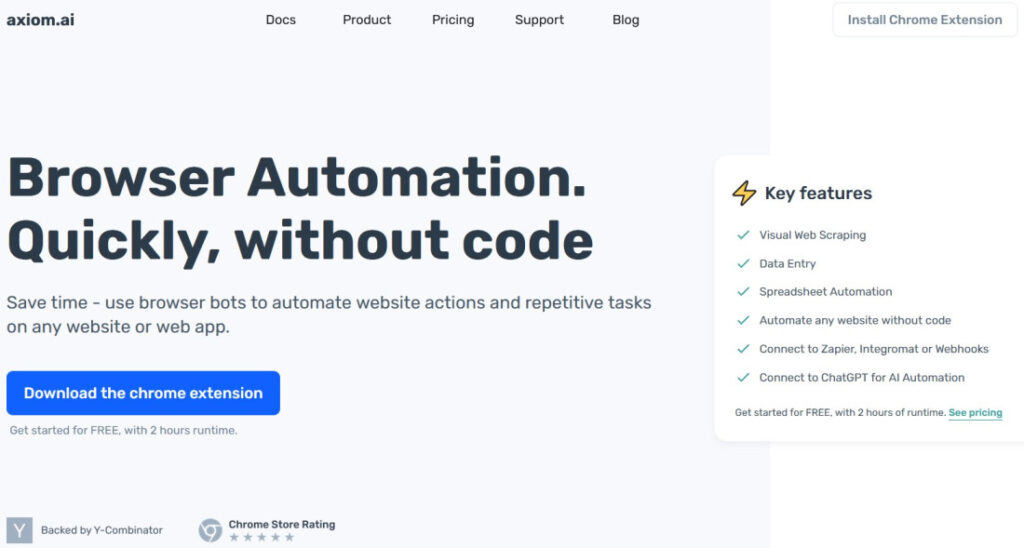
- Browser bots (like Axiom.ai) that imitate your activities in Chrome to automate web-based tools, dashboards, or Amazon Posts.
- Workflow builders that transform product links or ASINs into AI-enhanced social media posts included n8n Amazon affiliate templates.
- Specialized SaaS applications that automatically blast affiliate links to Telegram or other channels, watch Amazon for discounts, and generate them using your ID.
4. Distribution
Automation is only as profitable as the traffic you can send through it. Common destinations are:
- Niche websites and blogs.
- Amazon Posts.
- Telegram channels or groups.
- Facebook pages, groups, and Instagram, using workflows that turn links into social posts.
How to Automate Amazon Affiliate Marketing
Here’s a practical step-by-step guide for how to automate Amazon affiliate marketing:
1. Define Your Use Case
Decide what you actually want to automate:
- A deals channel like Telegram, or email) that posts offers as they appear.
- A content workflow that turns ASINs into blog posts or social snippets.
- Product exposure through Amazon Posts for a brand‑registered store.
Your use case dictates the tools: SaaS for deal feeds, browser bots for Amazon Posts, workflow tools for multi‑channel content.
2. Choose Your Automation Model
You have three options for your Amazon affiliate automation model:
- Using third-party apps: This is ideal if you want Amazon affiliate automation simplicity. Sign up, connect your Associate details, configure your rules, and let the platform handle discovery, link generation, and posting. Platforms like Ainfluencer are amazing at these routines and can help you a lot.
- No-code Bots: Tools like Axiom.ai let you automate anything you can do in a browser, from posting on Amazon Posts to updating dashboards.
- Workflow builders: Ideal if you want N8n Amazon affiliate flows that connect multiple apps.
You can mix and match. For instance, use Ainfluencer to track Amazon discounts and send them to a sheet, then n8n to turn those into social posts.

3. Build Your Loop
A common beginner‑friendly loop:
- Put products into a Google Sheet.
- Use a bot like Axiom to:
- Read the first row from the “Post” tab.
- Open Amazon Posts, click “Create Post,” upload the image, and paste the caption and ASINs.
- Submit for review, wait for saving, then log the posted row in a “Posted” tab and delete it from the queue.
- Schedule this automation so it runs regularly using apps like Ainfluencer.
This way, your Amazon Posts feed updates itself based on a spreadsheet you or your VA maintains.
4. Test and Scale
Use test modes that don’t actually post, such as turning off your bot’s last “Post” click until you’re sure.
You can also verify that affiliate links track properly, text fits properly, and photos upload.
Remember, before expanding to all of your properties, start with a small group of products or a single channel.
Pros and Cons of Amazon Affiliate Automation
It is necessary to know all sides of the process. You don’t want to jump into the pool without knowing its depth:
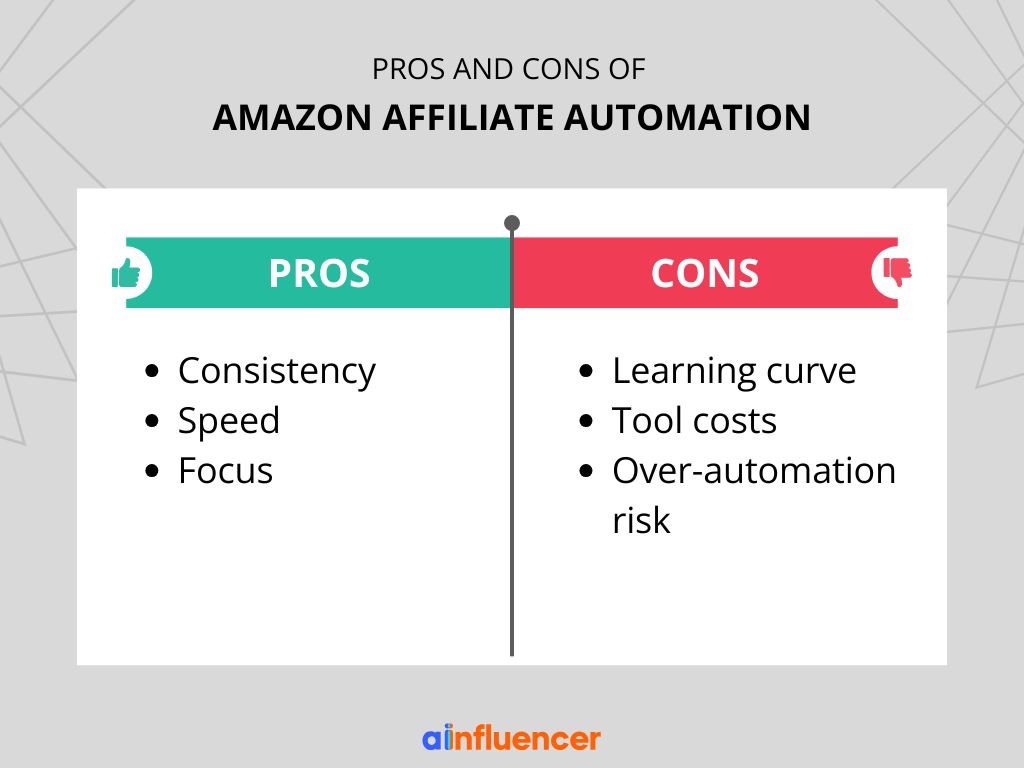
Pros of Amazon Affiliate Automation:
- Consistency: Bots are not like us humans. They don’t forget, get tired, or skip the day for different reasons.
- Speed: A single workflow can do in seconds what takes you minutes per product.
- Focus: You get to work on strategy, SEO, and audience building instead of link babysitting.
Cons of Amazon Affiliate Automation:
- Learning curve: Even no‑code bots and workflows require some trial and error.
- Tool costs: Good SaaS and automation platforms aren’t free (though many offer trials and affordable starter tiers).
- Over‑automation risk: Spammy, low‑effort feeds can burn your audience and violate platform rules if you’re not careful
Tools and Patterns
Here is an overview of what you need for Amazon affiliate automation and how they work in general:
ProTip: Tools like Ainfluencer can connect with your affiliate account in a way that helps you a lot. They will automate the marketing procedure and find the right affiliates based on your niche and interests.
Conclusion
Amazon affiliate automation is now an advantage if you’re serious about generating scalable and hands-off revenue.
Start by defining your use case and solidifying your Amazon Associate underpinnings. Then add solutions like no-code bots, n8n processes, and specialized apps like Ainfluencer, where they have the greatest impact.
You will see the difference this automation brings in a short time.
FAQs
1. Is Amazon Affiliate Automation Allowed by Amazon?
Yes, Amazon affiliate automation is allowed as long as it complies with the Amazon Associates Program rules. You must use approved APIs, avoid misleading practices, disclose affiliate links, and ensure your content provides real value to users.
2. Can Beginners Use Amazon Affiliate Automation?
Yes, beginners can use Amazon affiliate automation, but some of the main marketing principles or Amazon rules must be learned before.
3. Is Amazon Affiliate Automation Safe For Long-term Use?
Amazon affiliate automation can be safe long-term if you use reputable tools, follow Amazon’s guidelines, and regularly audit your site. Over-automation without quality control can lead to policy violations or poor user experience.