Best Micro Influencer
Marketing Agencies
The agencies that recruit and manage small creators at scale — volume campaigns, UGC pipelines, and pricing compared for 2026.
Micro influencer marketing agencies solve the paradox at the heart of creator marketing: the accounts that convert best — 10K to 100K followers, real engagement, niche trust — are exactly the ones too numerous to manage by hand. This guide compares six partners built for that volume game.
The global field is mapped in our pillar roundup of the best influencer marketing agencies, and the tier itself has a primer in our micro-influencers guide — who they are, what they charge, and why their engagement rates embarrass celebrity accounts. This page covers the management layer: the agencies and platforms that recruit, brief, and pay small creators by the dozen.
Below: what the best micro influencer marketing agencies actually run, when to hire one, and six options compared.
What Does a Micro Influencer Agency Do?
Four jobs, all at volume. Recruiting: sourcing dozens of relevant small creators per campaign — the workflow our find nano influencers guide shows takes real tooling beyond a spreadsheet. Vetting: audience authenticity and engagement-quality checks per account, because fake-follower risk concentrates in exactly this tier. Operations: briefs, product seeding, approvals, and payments multiplied across a roster that would drown an in-house marketer. Measurement: per-creator performance against agreed KPIs, so the next wave recruits more of what converted.
The economics that make the tier work: micro creators trade reach for trust. Engagement rates of 3–8% against the sub-1% of celebrity accounts, niche audiences that actually match products, and fees low enough to run portfolio strategies — twenty small bets instead of one big one, with the data deciding round two. The management cost is the catch: volume is only profitable when recruiting, briefing, and payment run as systems, which is precisely what separates real micro influencer marketing agencies from generalists booking small accounts occasionally. The tell in any pitch: ask to see their operations for a fifty-creator wave — briefing templates, payment runs, tracking sheets. Systems people show you screens; improvisers show you enthusiasm.
What managed volume looks like
What a good first 90 days looks like
Month one: the first recruiting wave — shortlists by niche, vetting complete, deals and seeding out. Month two: content live across the roster, per-creator tracking weekly, underperformers flagged early. Month three: the portfolio readout: which niches, formats, and creator profiles converted, a second wave recruited from that evidence, and usage rights exercised on the winners so paid channels inherit the best material. Volume programs compound — the third wave should always out-convert the first because the data chose it.
The 4 numbers to track
Hold the program to four numbers:
- Cost per activated creator. The tier’s efficiency metric — marketplaces and specialists win it; generalist agencies lose it.
- Engagement quality per creator. Saves, shares, and comment authenticity — the reason this tier exists.
- Portfolio conversion spread. Which fifth of the roster drives which share of results; it decides wave two.
- UGC reuse rate. How much roster content actually ships to paid — the hidden multiplier.
When You Need One — and When You Don’t
Hire the managed layer when roster size outruns your hours: micro strategies work at twenty-plus creators per wave, and sourcing, vetting, briefing, and paying that many is a full-time system, not a side task. Validate first with five hand-picked accounts — the tier shows conversion signal fast when product-audience fit is real, and five clean data points will sharpen every conversation you then have with candidate partners.
Also match the model to your math: retainer agencies price volume painfully, which is why micro influencer marketing agencies increasingly compete against marketplace service fees that scale per payout instead of per month. Run the comparison at your target roster size before signing anything — the ranking flips as the roster grows.
All Options at a Glance
| Agency | Focus | Best for | Pricing model |
|---|---|---|---|
| Ainfluencer | Creator matching + managed campaigns | Campaigns at marketplace cost | Free platform; managed packages |
| inBeat | Nano/micro creators + UGC | UGC-heavy performance brands | Retainer, quote-driven |
| Ubiquitous | Short-form volume campaigns | Trend-led micro pushes | Campaign-based |
| The Influencer Marketing Factory | Multi-platform campaigns | Structured programs with formal reporting | Campaign/retainer |
| NeoReach | Enterprise programs + analytics | Large budgets needing infrastructure | Retainer, quote-driven |
| Viral Nation | Full-service social + influencer | Brand-level programs | Retainer, quote-driven |
6 Best Micro Influencer Marketing Agencies
Ainfluencer — Marketplace + Fully Managed Campaigns
Ainfluencer pairs a 5M+ Instagram, TikTok, and YouTube marketplace with a fully managed service: AI matching surfaces creators whose audiences fit your brand, deals and approvals run in-platform, and payouts sit in escrow until content ships. Its marketplace is built for exactly this tier: AI matching across 5M+ creators surfaces relevant micro and nano accounts in bulk, and deal flow handles a fifty-creator wave as easily as five.
- 5M+ creators with AI audience matching
- Bulk matching, briefs, and escrow payouts built for volume
- In-platform deals, approvals, and escrow payouts
inBeat
A nano/micro-creator specialist with strong UGC pipelines — many small authentic voices plus a stream of ad-ready video for paid channels.
- Nano/micro specialization
- UGC production pipelines
- Performance-brand experience
Ubiquitous
A TikTok-first agency comfortable running many small creators against trend windows — a fit when volume and velocity matter together.
- TikTok-native execution
- Trend-window campaigns
- Creator volume experience
The Influencer Marketing Factory
A full-service agency running campaigns across TikTok, Instagram, and YouTube with structured measurement — a fit for brands that want one team handling strategy, creators, and reporting.
- Multi-platform campaign management
- Structured measurement
- Global creator reach
NeoReach
An enterprise influencer agency with campaign technology — fraud vetting, contracting infrastructure, and detailed analytics around large programs.
- Enterprise tooling and analytics
- Audience-quality vetting
- Managed programs at scale
Viral Nation
One of the largest influencer and social agencies, spanning talent, campaigns, and paid amplification — for brands running creator work inside broader brand programs.
- Full-service capability
- Talent + campaign arms
- Paid amplification
How Pricing Works
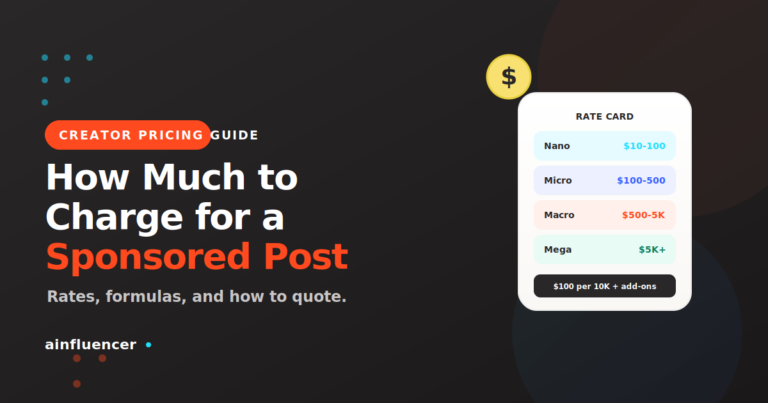
Three layers. Creator fees — the tier’s advantage: modest per-post rates, often gifting-plus-fee hybrids, that make portfolio strategies affordable. Management — the decisive line: retainers price volume badly, percentages (15–25%) price it moderately, marketplace service fees on payouts price it best at scale. Seeding and rights — product cost plus usage-rights premiums on the content worth amplifying. Benchmark against trackers like Influencer Marketing Hub and Statista; micro influencer marketing agencies quote wildly different totals for identical rosters once the fee model changes.
Your three routes, compared
| Route | Cost structure | Best when |
|---|---|---|
| In-house + tooling | Your hours + creator fees | Validating with 5–10 accounts |
| Marketplace managed service | Service fee on payouts | Rosters of 20+ without retainers |
| Traditional agency | Retainer or 15–25% of spend | Volume plus senior strategy needs |
Three negotiation tips
- Price per activated creator, not per month — volume programs should get cheaper per unit as they scale.
- Bundle usage rights across the roster upfront; negotiating them one winner at a time costs multiples.
- Keep the creator relationships and data in your accounts so wave three doesn’t restart from zero at exit.
How to Choose: 5 Criteria
- Volume machinery. Ask how a fifty-creator wave actually runs — tooling, briefing, payments — not whether it can.
- Vetting at scale. Authenticity checks per account, named method, no exceptions for speed.
- Niche recruiting depth. Matched examples in your category, activatable this quarter.
- Per-creator reporting. Portfolio strategies die quickly and quietly under blended dashboards.
- Fee model at your roster size. Model all three structures at 20, 50, and 100 creators before comparing anything else.
4 Mistakes to Avoid When Hiring
- Running micro like macro. Five small accounts managed by hand proves nothing about the tier; the strategy is the portfolio.
- Skipping authenticity vetting. Fake-follower risk concentrates exactly here, because inflated small accounts are cheap to build and easy to miss without per-account checks.
- Paying retainers for volume work. The math punishes it as rosters grow.
- Ignoring the losers’ lesson. The underperforming half of wave one is your cheapest research; read it before recruiting wave two.
More Niche Agency Guides
This article is part of our influencer agency cluster. Explore the rest:
- 6 Best UGC Agencies
- 6 Best Gaming Influencer Marketing Agencies
- 6 Best Travel Influencer Marketing Agencies
- 6 Best Tech Influencer Marketing Agencies
- Best Fitness Influencer Marketing Agencies
- Best Fashion Influencer Marketing Agencies
- Best Food Influencer Marketing Agencies
- Best Influencer Marketing Agencies (Pillar)
FAQs
What do micro influencer marketing agencies do?
Micro influencer marketing agencies recruit, vet, brief, and pay small creators (roughly 10K–100K followers) at volume: portfolio-style campaigns of dozens of accounts, authenticity checks per creator, systematized operations, and per-creator measurement that decides each next wave, so the roster improves with every cycle instead of resetting.
How much do micro influencers charge?
Modest per-post fees, frequently gifting-plus-fee hybrids — the tier’s whole appeal. The real cost question is management: retainers, percentages, and marketplace service fees price identical rosters very differently, and the gap widens as the roster grows.
Why use micro influencers instead of bigger accounts?
Engagement and trust: 3–8% engagement rates against sub-1% for celebrity tiers, niche audiences that match products, and portfolio economics — twenty small bets with data deciding round two beats one big bet decided by hope.
How many micro creators does a campaign need?
Enough to read as a portfolio: twenty-plus per wave for most brands, so conversion patterns emerge by niche and profile rather than anecdote. Validation can start at five hand-picked accounts, but strategy conclusions need volume — a handful of anecdotes will mislead you in both directions, while a real wave shows which sub-niches, formats, and price points actually carry the results.
Can I manage micro influencers in-house?
At small scale, yes — our sourcing guide covers the workflow. The ceiling arrives fast: past a dozen active creators, recruiting, vetting, and payments consume more than the campaigns return without dedicated systems.
Key Takeaways
- Micro influencer marketing agencies exist because the best-converting tier is also the most operationally demanding — volume is the strategy and the workload.
- Portfolio thinking wins: twenty matched small creators, per-creator data, and waves that compound.
- The fee model decides the economics — model retainer vs percentage vs marketplace service fee at your real roster size.
- Vet authenticity per account; fake-follower risk lives exactly in this tier.
- Exercise usage rights on winners — roster UGC feeding paid channels is the hidden multiplier.
Bottom line: the best micro influencer marketing agencies industrialize what makes small creators work — matched recruiting, honest vetting, systematized operations, and data that picks every next wave. Validate with five accounts, then buy the machine, not the promise.
Published on the Ainfluencer Blog. Ainfluencer is an AI-powered influencer marketing marketplace connecting brands with Instagram, TikTok, and YouTube creators for paid collaborations, product gifting, and affiliate deals, with built-in messaging, escrow, and campaign management.