Instagram Influencer Marketing
Instagram is still where most creator budgets go, and it is also where most of them are spent badly. The platform makes the first step easy, finding someone with an audience, and gives you almost no help with the three that decide whether it works: proving the audience is real, choosing the format, and knowing what actually sold.
This guide covers the whole sequence, from picking a format to reading the results three weeks later. If you would rather hand the work to someone else, our ranked list of the best influencer marketing agencies compares the agencies that run Instagram programmes, including the point at which hiring one stops making sense.
Instagram influencer marketing is one of the quickest ways for brands to attract attention, establish trust, and convert casual users into paying consumers.
These are all dependent on doing the marketing with the right strategy.
Instagram marketing is one of the main influencer marketing strategies nowadays and can outperform all kinds of traditional campaigns and raise ROIs in drastic ways. So, it must not be overlooked at all.
Here, we will go through everything you need to know to start your own Instagram influencer marketing. Let’s start.
What Is Instagram Influencer Marketing?
Instagram Influencer marketing is a type of social media marketing in which companies collaborate with content creators to market goods and services to their active followers.
Instead of you talking about how amazing your brand is, a trusted creator does it in their own way that their audience is familiar with. So in simple terms:
- You “rent” an influencer’s credibility, reach, and content skills to get your brand in front of their community.
- This works because people trust individuals far more than brands, especially when the content appears to be everyday posts.
- Influencers range from nano influencers with under 5k followers to mega stars with over 1M, and each tier plays a different strategic role.
Why Is Instagram Suitable for Influencer Marketing?
Instagram is a platform that has been a benchmark for influencers for more than a decade.
Its visual format and content tools make it ideal for storytelling that feels native. Furthermore:
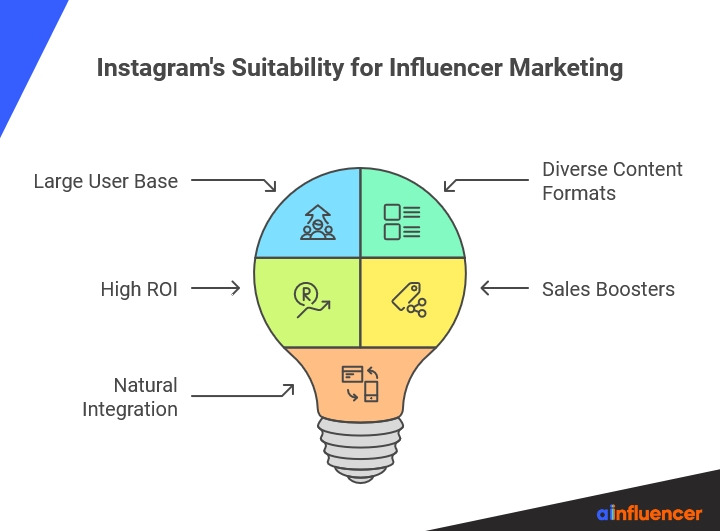
- Instagram has more than 1.4 billion active users, and more than 500 million accounts use Stories daily.
- Brands can use different shapes of content like feed posts, Reels, and Stories to collaborate with influencers.
- In 2025, more than 80% of U.S. marketers chose Instagram for influencer campaigns, and brands can earn several dollars in revenue for every dollar spent.
- Sales are boosted by in-app checkout, shoppable posts, and Instagram advertisements.
Instagram influencer marketing feels natural when you combine its visual storytelling with reliable influencers.
Types of Instagram Influencers And When to Use Each
Choosing the right type of influencer is very important in your Instagram influencer marketing strategy.
Bigger isn’t always better, and relevance and engagement often beat having only follower counts.
Let’s look at a summarized table of all you need to know about this subject:
| Influencer type | Followers (approx.) | Best for | Pros | Cons |
| Nano | <10,000 | Special niche, local pushes | Highly loyal audiences, low cost, very authentic. | Limited reach, more manual management. |
| Micro | 10,000–100,000 | Niche brand awareness + conversions | Great engagement, targeted communities, affordable for most brands. | Need several to match macro reach. |
| Macro | 100,000–1,000,000 | Large launches, big brand plays | Strong reach, semi‑professional production. | Higher fees, engagement rate sometimes lower. |
| Mega/Celebrity | 1,000,000+ | Mass exposure, global brand moments | Massive visibility. | Very expensive, can feel like traditional celebrity ads. |
For most Instagram influencer marketing campaigns, a combination of micro and nano influencers can be the best option.
You can find trusted influencers by using apps like Ainfluencer that have been designed to help you in this manner. You can narrow down influencers based on their niche, country, or any other aspect you want.
You can also check their previous collaboration and see if they area good fit for you or not. So, don’t miss out on this help.
6 Steps for Instagram Influencer Marketing Strategy
Goals, audience, influencers, content, and tracking results are all components of a successful Instagram influencer marketing campaign.
Brands that skip any step end up with lower numbers overall. You can also look at some of the most successful influencer marketing campaign examples and learn from them.
But here are the steps that are essential to your success:
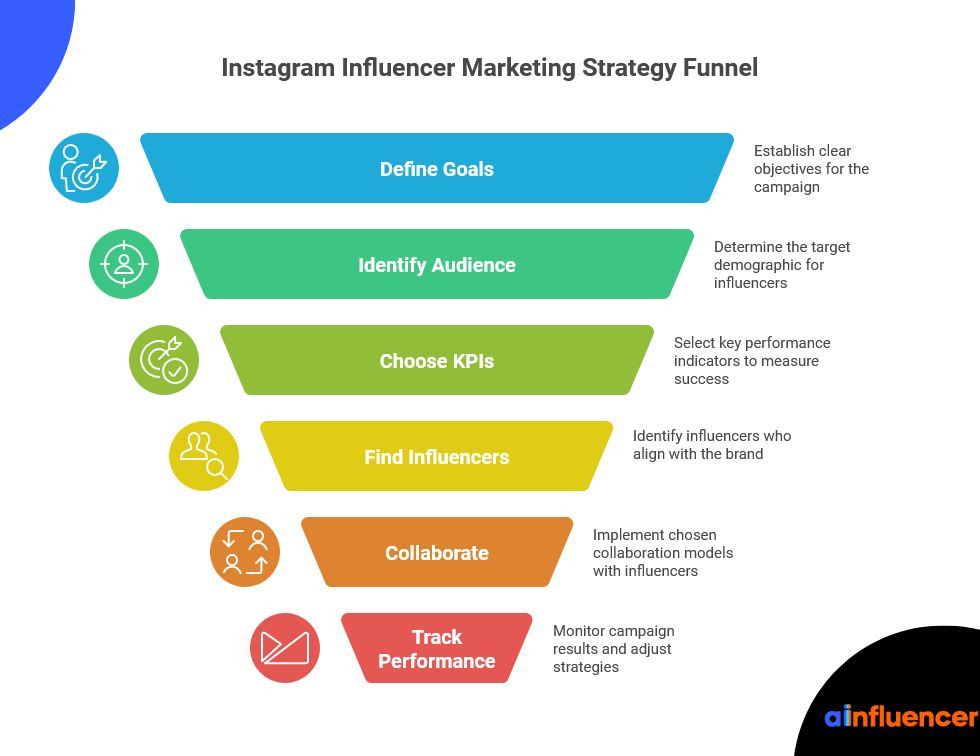
1. Define Clear Goals
Establish your influencer marketing objectives first. Choose whether you want more sales, more website traffic, or brand exposure. Setting clear goals helps you to evaluate your campaigns in the future. Set goals using the SMART technique. You can concentrate your approach and assess progress if you are aware of the intended outcomes.
2. Define the Target Audience
Always remember that the best Instagram influencer marketing for brands starts with the customer, not the influencer.
- Map out ideal customers based on age, location, interests, and what content they use.
- Use your Instagram Insights and website analytics to see who already engages with you.
- Then look for influencers whose comments, captions, and community vibe match that audience.
If your audience is Gen Z skincare lovers in Europe, you can’t and shouldn’t use a macro fashion influencer in the U.S. It’s just wasting time and money.
3. Choose Your KPIs
To track the effectiveness of your influencer marketing, keep an eye on results and KPIs.
You can then modify your material if the numbers start to decline. Here are some of the best influencer marketing KPIs:
- Engagement rate: Strong audience involvement is demonstrated by high rates.
- Impressions and reach: This factor displays the number of Instagram users who view your content.
- Conversions: This monitors the direct impact of influencers and how many sales they bring in.
- Audience growth: This demonstrates how Instagram promotion has expanded your brand in new areas.
4. Find The Right Influencers
Finding creators is where many Instagram influencer marketing strategies fall apart.
There is more than just a follower number and being cool. They must meet your expectations, and then you can start DMing them.
Let’s see what to check when choosing the right ones:
- Engagement rate: look at their likes, comments, saves, and responses instead of their follower count.
- Audience authenticity: look for comments that look like bots and sudden follower spikes.
- Brand fit: scroll captions and Stories. If their values and tone complement yours, it’s a good sign.
- Past collabs: Did followers respond well to sponsored posts or ignore them?
5. Choose Your Collaboration Model
Different goals demand different collaboration formats. You can’t use one format for all of the situations. Common options to choose from are:
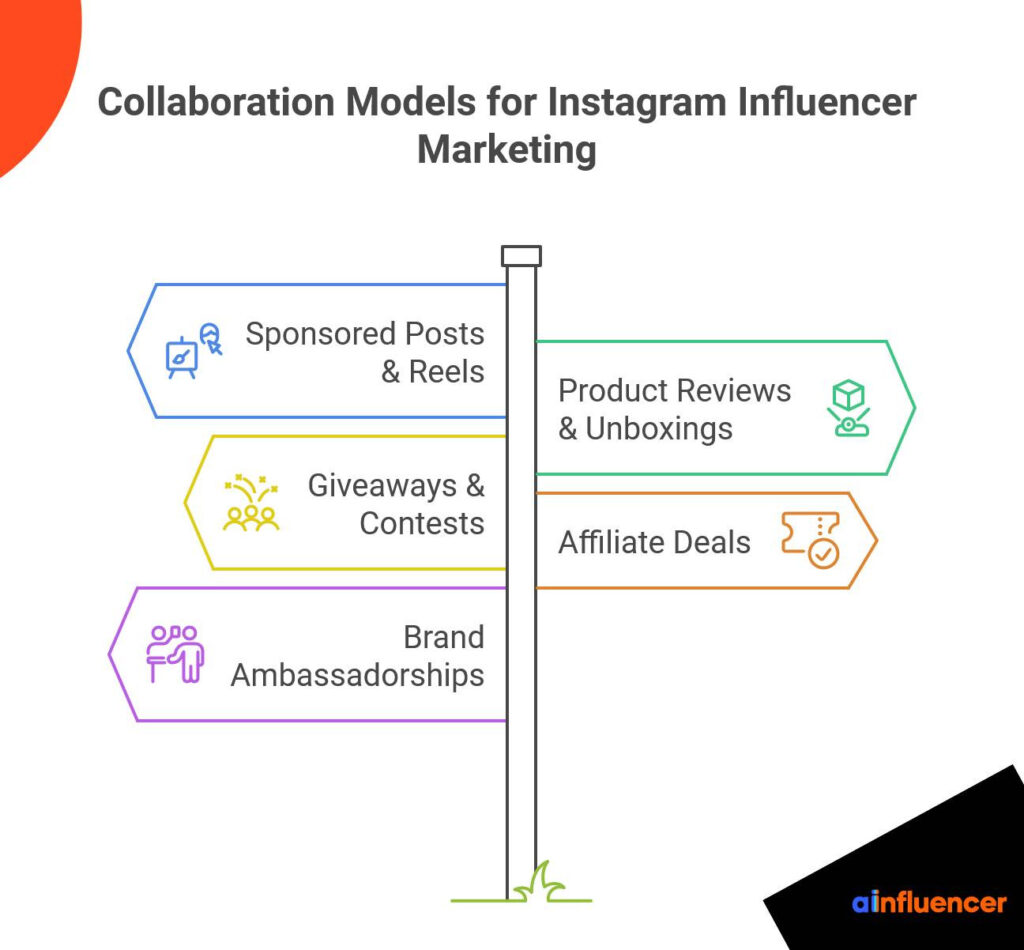
- Sponsored posts & Reels: You provide influencers with your items and goods and ask them to use them on their posts and reels.
- Product reviews & unboxings: deeper demonstrations that reassure skeptical buyers.
- Giveaways & contests: this type is perfect for rapid follower growth and raising your engagement in a short time. But don’t expect all of them to stay.
- Affiliate deals: In this method, creators earn commission per sale. This is ideal for performance‑driven brands.
- Brand ambassadorships: If you prefer longer‑term partnerships that build trust, this method is for you.
6. Track Performance
Track the effectiveness of your campaign both during and after it is running. Track click-throughs, shares, likes, comments, and reach.
Watch for conversions that are connected to the influencer’s post or code, such as sign-ups or sales.
Compare the overall revenue to your campaign expenses to get the final ROI, and make changes to your plan or content strategy based on it.
Common Mistakes to Avoid While Instagram Influencer Marketing
Even big brands can do some things that can be considered mistakes in Instagram influencer marketing. Here are some you need to avoid:
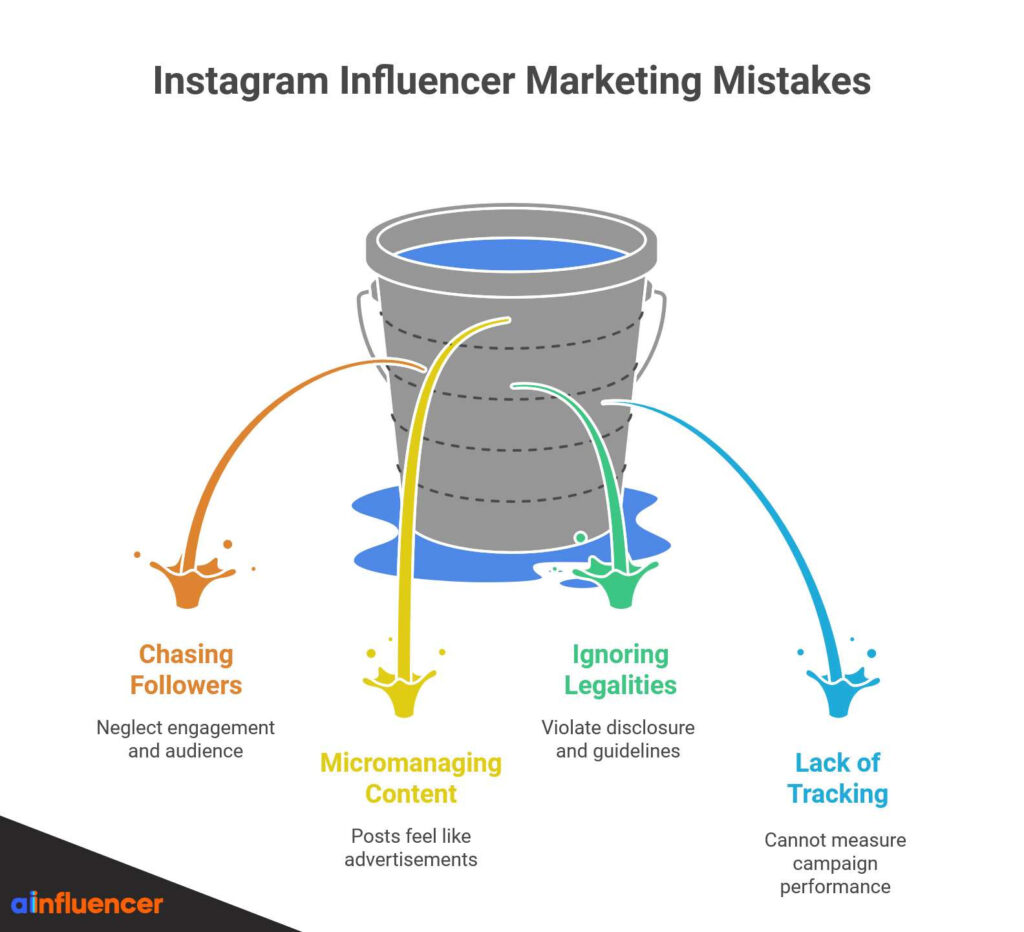
- Chasing follower count instead of engagement and audience fit.
- Micromanaging their content so hard that posts feel like ads.
- Ignoring legal requirements for disclosure and platform guidelines.
- Not setting up tracking links, promo codes, or KPIs, then blaming the channel for not working.
You must treat influencers as strategic partners, not ad placements, and your Instagram influencer marketing strategy will last longer than a single trend cycle.
Instagram Formats, and What Each One Is Actually For
Choosing the wrong format is the commonest reason a well chosen creator produces nothing. The four surfaces do different jobs and the brief should say which one you are buying.
| Format | What it does well | What it will not do | Typical use |
|---|---|---|---|
| Reels | Reach beyond the creator’s own followers, because the algorithm distributes it | Drive clicks. There is no link in a Reel | Awareness, and finding an audience you do not already have |
| Stories | Send traffic. The link sticker is the only reliable click path on Instagram | Last. It is gone in 24 hours unless saved to a highlight | Launches, discount codes, anything time bound |
| Feed posts | Stay put, and carry a considered caption | Reach much beyond existing followers now | Proof and credibility, especially for a considered purchase |
| Lives and collabs | Depth, and co-posting puts you in both audiences at once | Scale. They take real coordination | Launches with a creator you already work with |
The practical combination for most brands is a Reel for reach plus a Story with a link and a unique code, published the same day. That pairing is also what makes the measurement section below possible.
What Instagram Creators Cost
Rates vary by niche far more than by follower count, and any number you are quoted is an opening position rather than a price. What follows is the shape of the market rather than a rate card.
| Creator tier | Followers | What you are buying | Structure that usually fits |
|---|---|---|---|
| Nano | 1,000 to 10,000 | The highest engagement rate and a genuinely personal recommendation | Gifting, or gifting plus a small fee |
| Micro | 10,000 to 100,000 | The best balance of reach and trust, and the tier most ecommerce programmes live in | Gift plus commission, or a modest flat fee |
| Macro | 100,000 to 1M | Reach, and a production standard closer to an agency | Flat fee, negotiated per deliverable |
| Mega | 1M and above | Awareness at scale, and a name your board recognises | Flat fee, usually through a manager |
The ranges to open a negotiation from are in influencer rates, and nano influencers and micro influencers cover the two tiers worth starting with. Usage rights are the term most brands forget to negotiate and the one that costs most later: if you want to run the creator’s video as a paid ad, agree it up front, because buying it afterwards is always more expensive.
Vet the Audience Before You Send Anything
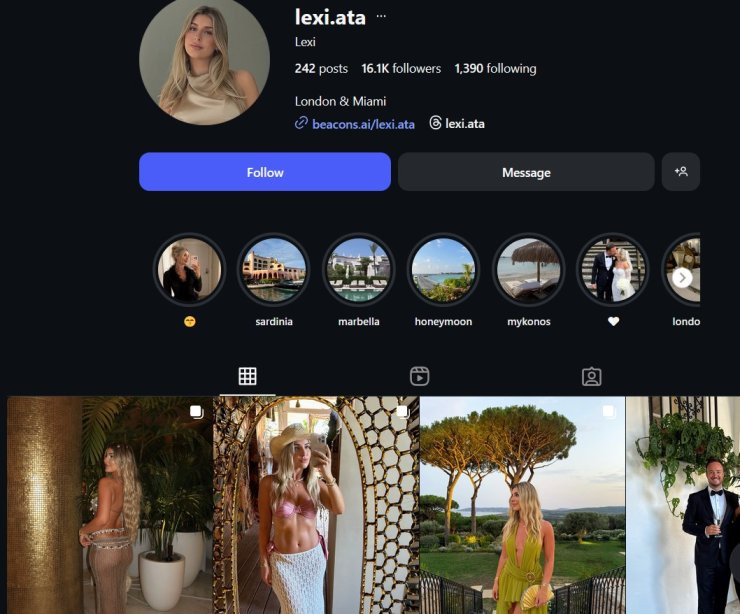
Instagram shows you a follower count and nothing about whether those followers are real. That check is the one that decides whether the campaign was a waste, and it is the one that gets skipped when a deadline is close.
Three things matter more than the follower number. Engagement rate measured against the creator’s own size band rather than a global average, because 3% is excellent at 500,000 followers and mediocre at 5,000. The share of the audience that looks purchased, where under 10% is normal for any real account and over 25% needs explaining. And audience location, because a creator in your market with an audience somewhere you do not ship to is the commonest expensive mistake in ecommerce.
The full checklist is in how to audit an influencer profile, and vetting influencers covers what to do when a profile fails one of the checks.
The Paid Partnership Rule
This part is not a preference. Under the FTC guidance for social media influencers, responsibility for a clear disclosure sits with the advertiser as well as the creator, so a missing label is your problem and not only theirs.
Three rules keep it simple on Instagram. Use the platform’s own paid partnership label, which puts the disclosure above the caption where it cannot be missed, rather than relying on a hashtag buried under a fold. Disclose gifted product too, because a free item is a material connection even with no fee attached. And keep disclosing for the life of a retainer, including on organic posts, because the connection persists between paid ones.
Write the requirement into the brief rather than mentioning it at contract stage. Most creators want to get this right and simply do not know the rule.
Why Instagram’s Own Numbers Mislead
Instagram will show a creator’s reach, impressions and engagement, and none of those tell you whether anything sold. Two gaps matter.
The first is that Reels have no link, so the entire discovery half of a campaign produces no trackable click by design. People see the Reel, remember the brand, and search for it later. That arrives in your analytics as direct or branded search traffic and looks like it came from nowhere.
The second is timing. Engagement on a post lands within about 72 hours. Conversion does not, and frequently takes two to three weeks. A creator whose post looked quiet on day one is regularly the one that sold most by week three, which is why campaigns that judge early cut the wrong people.
Two fixes cover most of it. Give every creator a unique discount code as well as a link, because codes get used when links get lost. And watch direct and branded search in the week after each post goes live. The mechanics are in how to track influencer marketing, and the numbers worth holding a campaign to are in influencer marketing KPIs.
Where to Find Instagram Creators
In the order that costs least. Your own customer list first, because someone who already bought and already has an audience is the cheapest creator acquisition there is and the endorsement is true before you ask for it. Then inbound, where you publish a brief and creators apply, which removes the reply rate problem entirely. Then hashtag and location search by hand, which is slow but free. A paid database last, and only when discovery is genuinely the bottleneck.
Our list of free influencer marketing tools covers what costs nothing, influencer marketing platforms compares the paid databases, and how to DM influencers plus influencer outreach templates cover the message that actually gets a reply. If you would rather not run any of this yourself, the best influencer marketing agencies ranks the firms that do.
Conclusion
Influencers are major players in today’s marketing. You can’t expect to see a rise in your numbers without collaborating with them.
And where is the place for this rather than Instagram? Instagram influencer marketing can help brands to find individuals who have an established audience that trusts them.
This is not an easy job, and brands must take advantage of this fact. So, define your goals, find a suitable influence,r and start your collaboration right away.
FAQs
1. How Does Instagram Influencer Marketing Work?
Brands will find influencers whose audience matches their target market, agree on campaign goals, and pay the influencer to create sponsored content or other formats. They can track their performance using metrics like reach, engagement, clicks, and conversions.
2. How Much Does Instagram Influencer Marketing Cost?
Influencer rates differ from year to year and are based on follower count, engagement rate, niche, and content type. Nano and micro influencers may charge $50–$500 per post, while macro and mega influencers can charge thousands per post.
3. Is Instagram Influencer Marketing Suitable For Small Businesses?
Yes. Small businesses can benefit the most by collaborating with nano and micro influencers, who are affordable and have high engagement. These collaborations can bring results even with small budgets.
4. How Do Brands Find Instagram Influencers?
Brands can find influencers by different means, such as:
- Searching relevant hashtags and keywords on Instagram.
- Using influencer marketing platforms like Ainfluencer to find suitable candidates.
- Analyzing competitors’ influencer collaborations.
- Working with influencer marketing agencies.