20 Best Products to Sell on Amazon in 2026: A Beginner-Friendly Guide
By the Ainfluencer team · Updated for 2026 · 12 min read
Amazon at a Glance in 2026
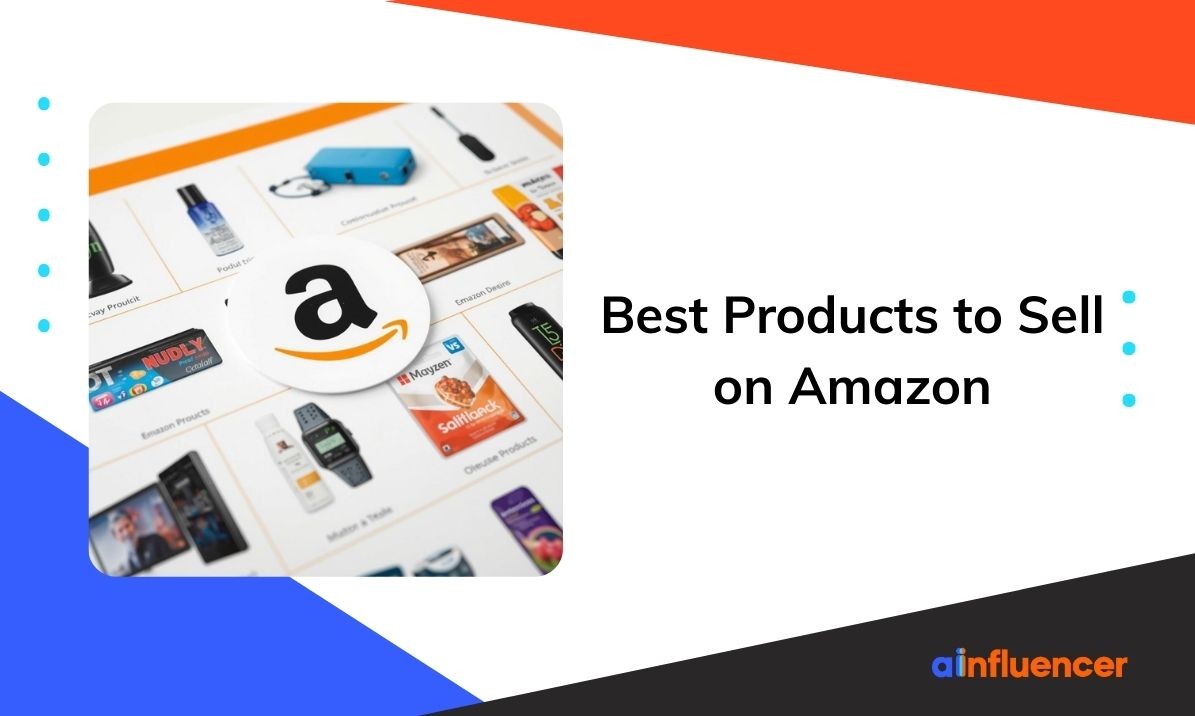
The best products to sell on Amazon in 2026 share three traits: steady demand, healthy margins, and repeat buyers. For a first-time seller, picking the right product is 80% of the battle. The remaining 20% is listing optimization, pricing, and driving traffic.
This guide walks through the 20 best products to sell on Amazon in 2026, organized into five beginner-friendly categories. Each pick includes an estimated margin range, competition level, and a “best for” note so you can match products to your budget and goals.
You’ll also get a full comparison table, a criteria checklist for picking winners, a launch playbook for your first ASIN, and pro tips from top sellers. Whether you’re launching your first product or expanding an existing catalog, use this as your shortcut to items that already convert on Amazon today. If you’re new to the platform mechanics, our guides on what is Amazon Marketplace and Amazon Seller Central cover the fundamentals.
- Why Sell on Amazon in 2026
- Quick Comparison Table
- Health & Wellness Picks
- Home & Kitchen Picks
- Consumer Electronics Picks
- Lifestyle Drinkware Picks
- Everyday Essentials Picks
- Check Demand on Amazon’s Lists
- How to Pick Winners
- How to Launch Your First Product
- Pro Tips from Top Sellers
- For Sellers Ready to Scale
- FAQ
Why Sell on Amazon in 2026
Prime-driven demand, third-party marketplace dominance, and buyer trust make Amazon the fastest path to first sales.
Amazon still commands the largest share of U.S. e-commerce, with third-party sellers responsible for over 60% of unit sales on the platform. That means the best products to sell on Amazon in 2026 aren’t necessarily Amazon-branded, they’re private-label and reseller inventory listed by independent sellers like you.
Prime membership, fast shipping infrastructure, and reviews-based trust give new sellers something no independent Shopify store starts with on day one: a buyer already ready to click “Add to Cart.” Combine that with tools like FBA, Sponsored Products, and A+ Content, and a well-picked ASIN can be profitable within its first launch quarter. For a deeper dive into how listings actually rank, see our guide on how to rank Amazon products organically.
The takeaway: the best products to sell on Amazon in 2026 are those where you can combine an existing category demand with a differentiation angle (a better bundle, cleaner formula, or improved packaging) and then amplify through paid ads plus creator partnerships.
Quick Comparison of the 20 Best Products to Sell on Amazon
Category, typical margin, repeat-purchase potential, and who each product suits best.
| Product | Category | Est. Margin | Repeat Buys | Best For |
|---|---|---|---|---|
| Nutrafol Hair Supplements | Health & Wellness | 25–40% | High | Reseller with brand approval |
| Premier Protein Shake | Health & Wellness | 15–25% | Very High | Multi-pack bundlers |
| LMNT Electrolyte Mix | Health & Wellness | 20–35% | High | Wellness niche private label |
| Pimple Patches | Health & Wellness | 50–70% | Medium | Beginner private label |
| Nespresso Vertuo Pods | Home & Kitchen | 10–20% | Very High | Grocery-approved resellers |
| Shark NV352 Vacuum | Home & Kitchen | 8–15% | Low | Established resellers |
| ZINUS Green Tea Mattress | Home & Kitchen | 15–25% | Low | Large-item FBA |
| Skylight Digital Calendar | Home & Kitchen | 20–30% | Low | Smart-home niche |
| Apple MacBook Air (2025) | Electronics | 3–8% | Low | Capital-heavy sellers |
| Apple Watch Series 10 | Electronics | 4–10% | Low | Authorized resellers |
| Samsung Galaxy S25 | Electronics | 3–8% | Low | Authorized resellers |
| Beats Studio Pro Headphones | Electronics | 8–15% | Low | Established resellers |
| Apple iPad 10th Gen | Electronics | 4–10% | Low | Authorized resellers |
| Stanley Quencher Tumbler | Drinkware | 25–40% | Medium | Trend-driven sellers |
| Owala Stainless Bottle | Drinkware | 25–40% | Medium | Private label bundlers |
| CELSIUS Energy Drink | Drinkware | 15–25% | Very High | Case-pack resellers |
| Insulated Tumblers | Drinkware | 40–60% | Low | Best for private label |
| Amazon Basics Printer Paper | Essentials | 10–20% | Very High | Bulk B2B resellers |
| Pampers Baby Diapers | Essentials | 8–15% | Very High | Subscribe & Save sellers |
| Charmin Toilet Paper | Essentials | 5–12% | Very High | Bulk-pack resellers |
Health & Wellness: 4 Best Products to Sell on Amazon
High margins, repeat purchases, and word-of-mouth momentum, but watch for category approval and FDA compliance.
Health & Wellness is one of the most consistently profitable categories on Amazon. Buyers subscribe to supplements, restock skincare monthly, and pay premium prices for science-backed formulas. For beginners, private-label pimple patches or electrolyte mixes are among the best products to sell on Amazon because entry costs are low and margins can exceed 50%.
Nutrafol Hair Growth Supplements
A clinically-backed hair-growth brand with strong repeat-purchase behavior and subscription savings that lift lifetime value dramatically for approved resellers.
Premier Protein Shake
Functional beverages with 30g protein per serving and mainstream flavor appeal. Very high repeat-purchase behavior makes multi-packs ideal for Subscribe & Save listings.
LMNT Electrolyte Drink Mix
Sugar-free electrolyte hydration with a fitness-community following. Strong margins and a private-label opportunity for sellers who want to launch a competing formula.
Hydrocolloid Pimple Patches
One of the highest-margin private-label opportunities on Amazon. Low sourcing cost, viral TikTok appeal, and multi-pack pricing power make this a top beginner pick.
Health & Wellness is a gated Amazon category. Before you source inventory, check whether the product needs FDA registration or Brand Registry approval. Our guide on Amazon affiliate requirements covers what documentation you’ll typically need for compliance-heavy categories.
Home & Kitchen: 4 Best Products to Sell on Amazon
Evergreen demand, seasonal peaks, and strong search intent make this category a steady long-term play.
Home & Kitchen consistently ranks as one of Amazon’s top three categories by unit volume. Buyers search for specific problems (a quieter vacuum, a better mattress, a smarter family calendar) and reward listings that solve them. Coffee consumables in particular have some of the highest repeat-purchase rates on the platform.
Nespresso Vertuo Coffee Pods
Coffee consumables see multiple repeat purchases per customer per month. Recyclable aluminum pods and a loyal fan base drive predictable revenue for approved sellers.
Shark NV352 Navigator Vacuum
A perennial best-seller in home cleaning with HEPA filtration and Lift-Away portability. Strong reviews and brand trust convert paid ads efficiently.
ZINUS Green Tea Memory Foam Mattress
Bed-in-a-box mattresses continue to sell well on Amazon at affordable price points. Trial periods and warranties reduce return risk for large-item FBA operations.
Skylight Digital Calendar
Smart-home productivity tech with subscription upsell potential. Families and remote workers value organizational tools that sync across devices.
Home & Kitchen listings live and die by lifestyle photography and A+ Content. Invest in professional product photos before spending on ads. Our guide on how to optimize your Amazon listing walks through the exact hierarchy that converts browsers to buyers.
Consumer Electronics: 5 Best Products to Sell on Amazon
Massive search volume, but tight margins and gated categories mean this is a play for established or capital-ready resellers.
Consumer electronics dominate Amazon’s top-seller lists by revenue, but margins are compressed and most brands require authorization. That said, the best products to sell on Amazon in this category convert paid traffic efficiently thanks to strong buyer intent and premium price points that absorb ad spend well.
Apple MacBook Air (2025)
Apple’s M4-powered laptop remains a perennial best-seller thanks to 18-hour battery life, education pricing, and cross-platform Apple ecosystem loyalty.
Apple Watch Series 10
Wearables with advanced health tracking are an evergreen electronics category. Multiple band and case combinations create bundling opportunities for creative sellers.
Samsung Galaxy S25
Android’s flagship continues to sell well on Amazon with AMOLED display, advanced cameras, and competitive pricing versus Apple. Unlocked variants convert best.
Beats Studio Pro Headphones
Premium audio with cross-platform compatibility and frequent price drops. Strong holiday performance and gift-giving demand drive Q4 revenue spikes.
Apple iPad (10th Gen)
Entry-level iPad with USB-C connectivity and frequent discounting make it a reliable performer, especially during back-to-school and holiday shopping windows.
Electronics categories are heavily gated. Before sourcing branded inventory, secure your authorized reseller status and understand how the Amazon Buy Box awards impressions. Margin-thin categories reward whoever owns the Buy Box, not whoever has the most inventory.
Lifestyle Drinkware: 4 Best Products to Sell on Amazon
Viral social-media appeal, private-label margins up to 60%, and constant seasonal refreshes.
Drinkware exploded on TikTok in 2024 and hasn’t slowed down. Stanley, Owala, and generic insulated tumblers now define what the best products to sell on Amazon look like for creator-friendly listings: visual, giftable, and easy to bundle with accessories.
Stanley Quencher Tumbler
The tumbler that started the viral drinkware wave. Limited-edition colorways sell out fast and support premium pricing on secondary markets.
Owala FreeSip Stainless Bottle
Dual-spout design and eye-catching colorways created a devoted fan base. Long cold retention and multiple sizes make bundling easy for private-label competitors.
CELSIUS Energy Drink
Functional energy drinks positioned as fitness and lifestyle products consistently outperform generic sodas. Case-pack pricing on Amazon appeals to bulk-buying households.
Insulated Tumblers (Private Label)
Generic insulated tumblers with custom branding remain one of the highest-margin private-label opportunities. UV double-wall insulation and variety of sizes drive strong search demand.
Drinkware is a creator-friendly category. TikTok and Instagram drive massive conversion. Combine your Amazon listing with an influencer strategy from day one. See our guides on finding Amazon influencers and finding TikTok influencers for Amazon products.
Everyday Essentials: 3 Best Products to Sell on Amazon
Consumables with massive volume, low margins, and Subscribe & Save loyalty, the workhorse category for cash flow.
Essentials rarely make “trending product” lists, but they’re often the best products to sell on Amazon for one reason: consistent, predictable, high-frequency reorders. Households don’t research toilet paper, they subscribe to it. That behavior turns thin margins into steady long-term revenue.
Amazon Basics Printer Paper
Massive B2B and home-office volume with Prime availability driving huge repeat purchases. Eco-certified paper commands premium multi-ream pricing.
Pampers Baby Diapers
Baby care essentials are one of Amazon’s most reliable Subscribe & Save categories. Trusted pediatrician recommendations and multiple tailored lines drive parent loyalty.
Charmin Toilet Paper
High-volume staple with strong brand loyalty across every U.S. household demographic. Large-pack pricing appeals to Prime members restocking monthly.
Check Demand on Amazon’s Own Lists Before You Buy Stock
Three free Amazon pages show live demand, and each one answers a different question.
Every product above was chosen from a category with durable demand, but demand moves. Before you order inventory, check the item against Amazon’s own public lists. They are free, they refresh constantly, and they are the same signals most third-party research tools repackage and sell back to you.
Best Sellers
The top 100 products in every category by recent sales volume, refreshed hourly. Use it to confirm a category is active and to see which price points own the first page. A product that holds a top 100 spot in a broad category is a proven seller, and usually a crowded one.
Movers and Shakers
The biggest gainers in sales rank over the past 24 hours. This is the list that answers what is selling right now, and it is the one to treat most carefully. A spike usually traces back to a lightning deal, a viral video or a seasonal event rather than durable demand, so check the same product again a week later before you commit money to it.
New Releases and Most Wished For
New Releases shows what has just launched and is gaining traction, which tells you how much fresh competition a niche attracts every month. Most Wished For leans toward gift intent, so read it as a forecast of what sells in Q4 rather than what sells today.
Read the three together rather than any one alone. A product that holds its Best Sellers position for weeks, attracts few New Releases competitors, and does not depend on a single 24 hour spike is the profile worth sourcing. Our Amazon product research guide covers how to turn those signals into sales estimates, and how to launch a product on Amazon picks up once you have chosen one.
How to Pick the Best Products to Sell on Amazon
Six criteria that separate winners from cash-drain listings.
Every beginner wants a shortcut, but the best products to sell on Amazon share objective, measurable traits. Use this six-point checklist before you commit a dollar to inventory.
Search Demand
Look for products with 3,000+ monthly search volume for the primary keyword. Use Amazon Best Sellers Rank, Movers & Shakers, and Hot New Releases as validation before pulling third-party data.
Manageable Competition
Prioritize niches where the top 10 listings average fewer than 500 reviews. Categories dominated by 10K+ review products are extremely hard to enter without a differentiated angle.
Healthy Margin
Sourcing cost should be 25% or less of your target selling price. After Amazon fees (~15%), fulfillment, and ad spend, that leaves 15–25% net margin, enough to scale.
Repeat Purchase Potential
Consumables (supplements, coffee, skincare) compound your lifetime value. A customer who reorders monthly is worth 12x a one-time buyer at the same acquisition cost.
Differentiation Angle
Can you offer a better bundle, cleaner formula, improved packaging, or clearer instructions than the top listings? If not, you’ll be competing purely on price, a race to the bottom.
Compliance & Approval
Some categories require Brand Registry, FDA registration, or category ungating before you can list. Confirm approval requirements before you buy inventory.
How to Launch One of the Best Products to Sell on Amazon in 2026
A five-step playbook for turning your first ASIN into a profitable listing.
Picking one of the best products to sell on Amazon is only step one. Execution, from listing quality to launch ad spend, decides whether you’re profitable in month one or bleeding cash. Follow this sequence in order.
- Register & get approved. Open a Seller Central account, verify your business, and request approval for any gated categories you plan to enter. Learn the platform basics in our how to become a top seller on Amazon guide.
- Source and inspect samples. Order samples from 3–5 suppliers before committing to a bulk order. Check packaging, product quality, and shipping timelines.
- Optimize the listing before you go live. Write a keyword-rich title, five compelling bullet points, and long-form product description. Add lifestyle photography and A+ Content if you have Brand Registry.
- Launch with a controlled ad budget. Start with $30–50/day on Sponsored Products auto campaigns. Let the data reveal winning keywords before scaling. Our guide on what is Amazon PPC covers campaign structure in depth.
- Drive external traffic and reviews. Partner with creators, run promotions, and follow up with buyers via Amazon’s built-in messaging for reviews. Learn more about Amazon Attribution to measure external traffic performance.
Launching Your First Amazon Product?
Discover creators who can drive external traffic and reviews to your new listing, without breaking Amazon’s TOS.
Pro Tips from Top Amazon Sellers
Practical wisdom from sellers who’ve scaled past their first million.
- Test one variable at a time. Don’t change your title, price, and main image in the same week, you won’t know which change moved the needle.
- Watch your Buy Box percentage daily. If you’re not winning the Buy Box, your traffic is being diverted to competitors even when shoppers land on your listing.
- Reinvest 20% of net profit into ads. New listings need paid impressions to build the review velocity that unlocks organic ranking. Explore our list of the best Amazon PPC tools to automate bid management.
- Automate your affiliate and creator program early. The right Amazon affiliate software saves 10+ hours per week once you’re managing more than 3 creators.
- Track your competition’s price and reviews weekly. Amazon pricing is dynamic, a competitor’s launch or stockout can be your biggest opportunity. A solid Amazon pricing strategy is what separates thin-margin sellers from profitable ones.
For Sellers Ready to Scale Beyond Their First Product
Once you’ve validated your first ASIN, the fastest way to grow is combining paid ads with a creator-driven traffic strategy. Sellers who launch influencer campaigns alongside Amazon Sponsored Products and Amazon DSP see 2–3x faster review velocity than sellers relying on ads alone.
Ainfluencer helps brands and sellers connect directly with creators through an in-app marketplace, streamlined outreach, and built-in campaign management. Explore our Amazon affiliate program guide to see how influencer marketing accelerates Amazon growth, or check our full list of Amazon influencer tools.
FAQ
What are the best products to sell on Amazon for beginners?
The best products to sell on Amazon for beginners are lightweight, low-cost, and in categories that don’t require Brand Registry, such as hydrocolloid pimple patches, private-label insulated tumblers, and reusable kitchen accessories. These products typically have margins above 40% and startup costs under $2,000.
How much money do I need to start selling on Amazon?
Most first-time sellers start with $500 to $3,000. That budget covers initial inventory, Amazon account fees, product photography, and a small launch ad budget. Categories like electronics and mattresses require significantly more upfront capital.
Do I need Brand Registry to sell on Amazon?
You don’t need Brand Registry to start selling as a reseller, but it’s required if you want to launch a private-label product with your own brand. Registry unlocks A+ Content, Amazon Stores, and better protection against listing hijackers.
Is private label or reselling better for beginners?
Private label offers higher long-term margins (40–70%) and lets you build brand equity, but requires more upfront work (sourcing, branding, and building reviews from scratch). Reselling gets you to first revenue faster but with thinner margins and Buy Box competition. Most successful sellers eventually move to private label.
How do I drive traffic to a new Amazon listing?
New listings need three traffic sources: Sponsored Products ads for immediate visibility, external traffic from creators or affiliates for review velocity, and organic optimization to compound results over time. External creator traffic is particularly effective for new sellers because it builds reviews and organic ranking simultaneously.
Which of the best products to sell on Amazon has the highest margin?
Among the best products to sell on Amazon in 2026, hydrocolloid pimple patches (50–70% margin) and private-label insulated tumblers (40–60% margin) lead on pure margin. However, high-margin items usually mean higher competition and heavier marketing spend to break through the noise, so factor advertising cost into your calculations.